What Makes a Great Shave? Unpacking Precision, Technique, and Tradition for the Perfect Grooming Experience
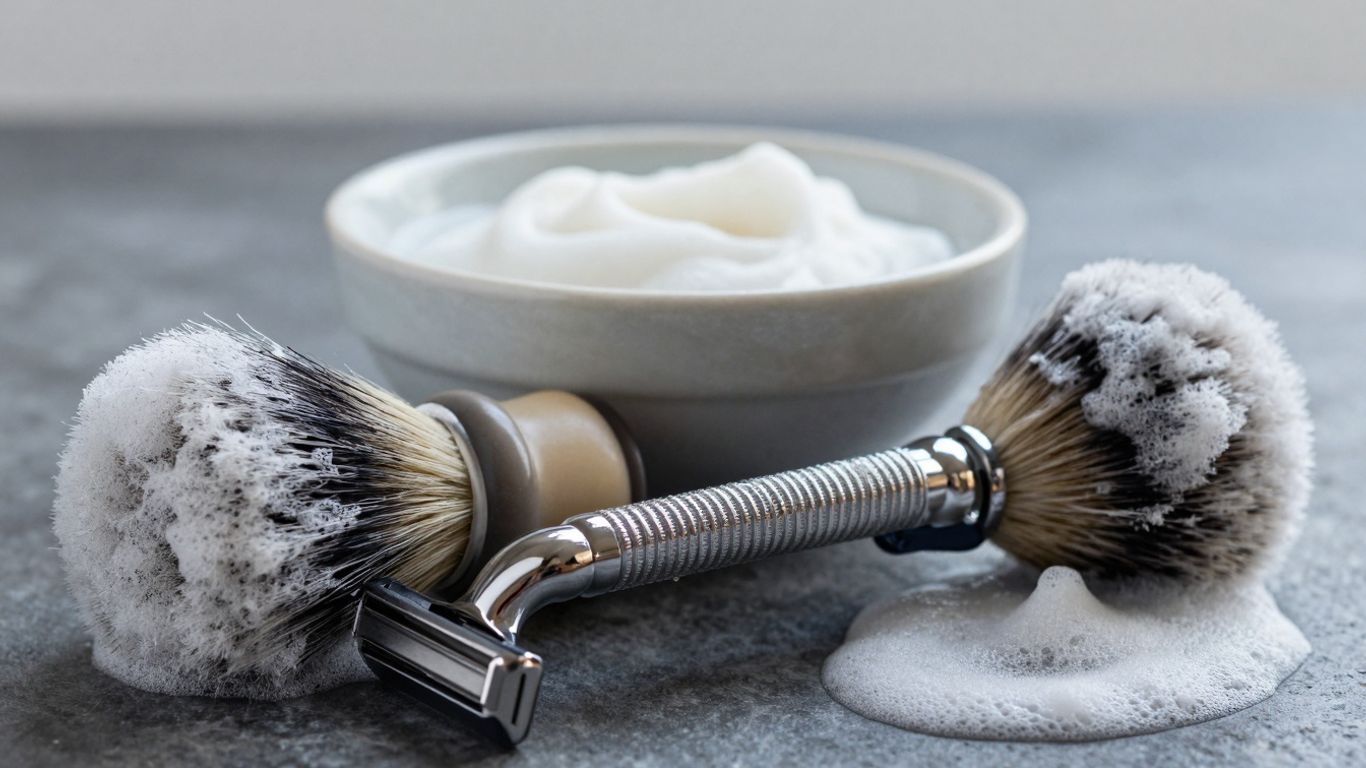
So, you want to know what makes a great shave, huh? It's not just about grabbing a razor and going. There's a whole world behind that perfect, smooth finish. We're talking about the tools you use, how you actually do the shaving, and even the old-school ways of doing things. It’s a bit of an art, really. Let's break down what goes into getting that really satisfying shave, the kind that makes you feel put together.
Key Takeaways
- The wet shave market is growing, blending old traditions with new ideas, appealing to people who want quality and care for the environment.
- Good shaving tools are made with precision. Choosing the right ones, like well-designed razors and brushes, makes a big difference in how well you shave.
- Mastering the shaving ritual involves careful steps, from preparing your skin to the actual shaving with good blade control and making a nice lather, and finishing up right.
- Barbers have a unique skill set that goes beyond just cutting hair, including how to talk to customers, keep things clean, and create a good experience.
- Having the right gear, like sharp straight razors, good brushes, and sharpening stones, is super important for a superior shave, and sometimes, a little luxury makes it even better.
The Art Of The Wet Shave
Understanding The Wet Shave Market
The wet shave, a practice as old as time, is experiencing a serious comeback. It's not just a passing fad; it's a whole movement. People are tired of the quick, disposable way of doing things and are looking for something more. This market is growing because folks want a better shave, sure, but also because they're thinking more about what they use and how it affects the planet. It’s a shift towards quality and mindfulness in our daily routines.
- Growing Consumer Interest: More people are actively seeking out traditional wet shaving methods.
- Focus on Quality: Consumers are willing to invest in better tools and products for a superior experience.
- Environmental Awareness: A significant driver is the desire to reduce waste from disposable razors.
Sustainability And Effectiveness
This is where the wet shave really shines. Think about it: those plastic razors pile up in landfills. A good quality razor, on the other hand, can last you for years, maybe even a lifetime. You just replace the blade. It’s a much smarter way to go. Plus, when you get the hang of it, a wet shave often gives you a much smoother, cleaner result than you'd get with those multi-blade cartridges. It’s a win-win for your skin and the environment.
The traditional wet shave offers a tangible connection to a time-honored practice, providing a more deliberate and satisfying grooming ritual. It’s about appreciating the process and the results.
Modern Innovations Meet Tradition
What’s cool is that this old-school practice is blending with new ideas. We're seeing companies make really well-designed razors and brushes that are both functional and look good. They’re taking the best parts of the old ways and making them work for today’s world. It’s not about ditching tradition; it’s about improving it. This mix is why so many different people are getting into wet shaving now, from younger guys trying it for the first time to older gents who remember it from way back when.
Precision In Tools And Technique
The Importance Of Precision Engineering
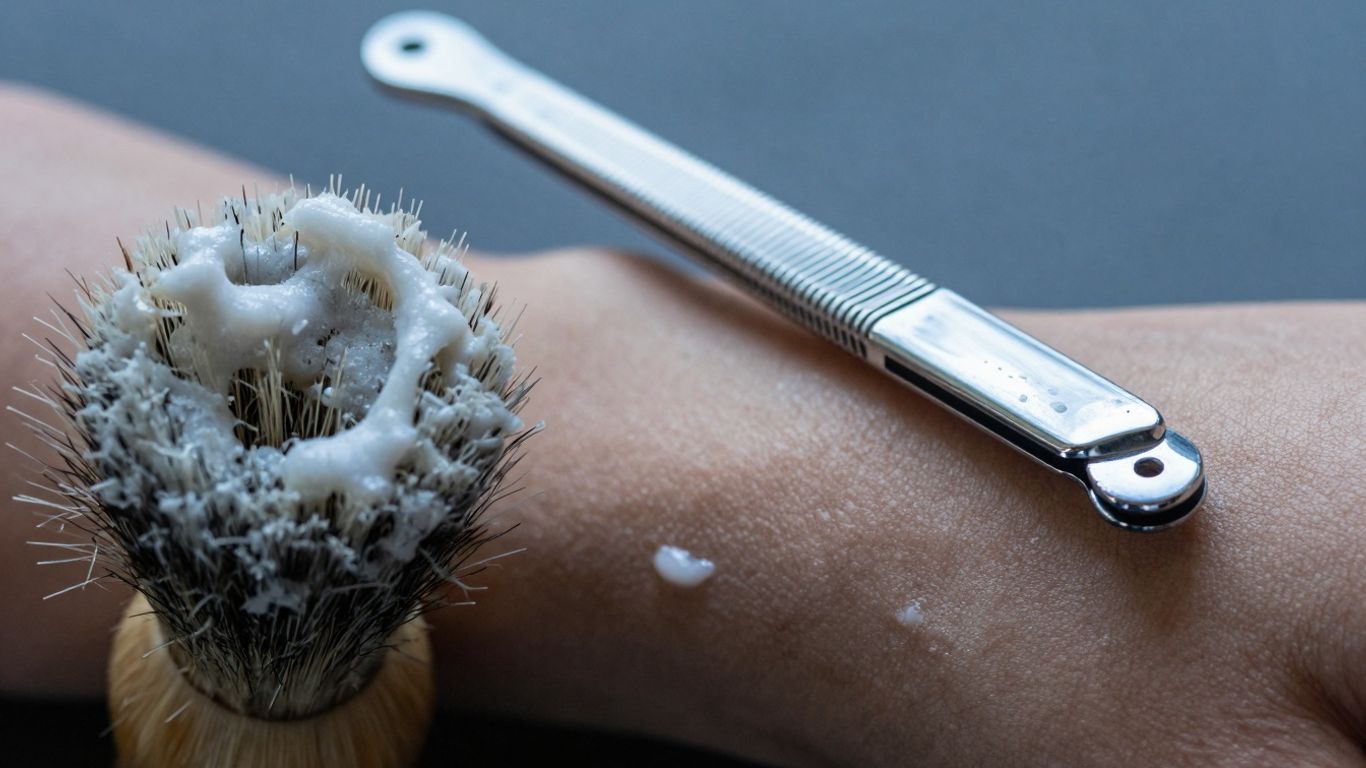
When you really think about it, the tools you use for shaving are pretty amazing. They aren't just random bits of metal; they're the result of careful design and a lot of thought. Think about how a well-made razor feels in your hand – balanced, sturdy, and just right. That's precision engineering at work. It's about making sure every part of the tool, from the handle to the blade's angle, is just so. This attention to detail means the tool works better, lasts longer, and feels good to use. It’s like the difference between a cheap plastic toy and a finely crafted watch. You can feel the quality, and it makes a big difference in how well it does its job.
Choosing The Right Tools For Artistry
Picking the right shaving gear is a bit like an artist choosing their brushes. You wouldn't use a house-painting brush to do a detailed portrait, right? The same goes for shaving. You need tools that fit your style and what you're trying to achieve. Are you going for a super close shave, or do you have sensitive skin that needs a gentler touch? Different razors, blades, and brushes are designed for different needs. It’s worth taking some time to figure out what works best for you. A good tool doesn't just do the job; it helps you do your best work.
Here are some things to consider when picking your tools:
- Material Quality: Look for durable materials that won't rust or break easily.
- Ergonomics: How does it feel in your hand? A comfortable grip makes a big difference.
- Blade Compatibility: Can you easily find and replace the blades you need?
- Intended Use: Is it for daily shaving, travel, or specific skin types?
Innovative Design And Ergonomics
Modern shaving tools aren't just about looking good; they're designed to work better and feel more comfortable. Companies are constantly thinking about how to make razors and brushes easier to hold and maneuver. This means looking at the shape of the handle, the weight distribution, and how the head of the razor moves. Good ergonomic design can prevent hand fatigue and give you more control, leading to a smoother, safer shave. It’s about making the whole process feel less like a chore and more like a pleasant ritual. When a tool fits your hand perfectly and moves with you, you can focus on the shave itself, not on fighting with your equipment.
Mastering The Shaving Ritual
The Pinnacle Of Traditional Barbering
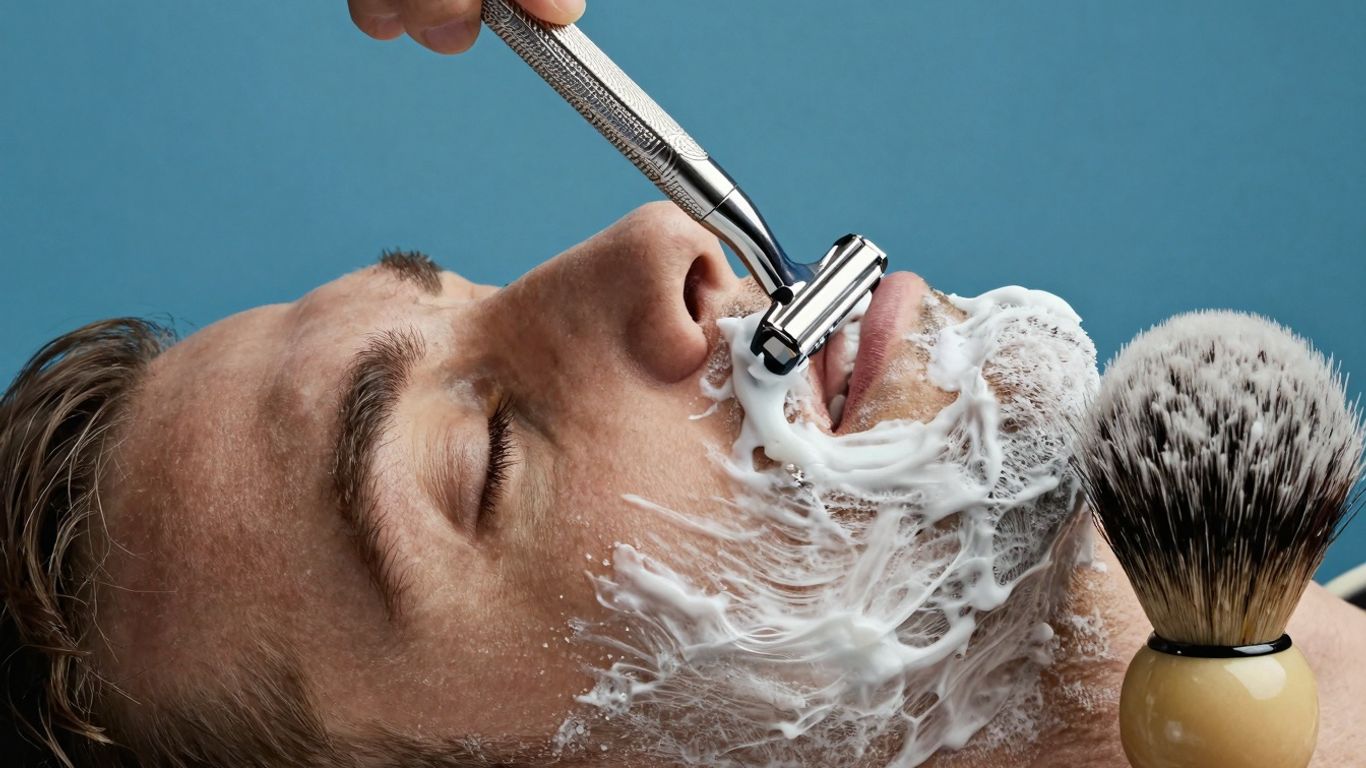
The traditional barber shop is more than just a place to get a haircut; it's a sanctuary for grooming. Think about the classic barbershop – the smell of talc, the hum of conversation, the glint of steel. It’s a whole experience, right? For centuries, barbers have honed the art of the shave, turning a daily necessity into a refined practice. This isn't just about removing hair; it's about a mindful process that respects the skin and delivers a superior finish. The techniques passed down through generations are still the gold standard for a reason. They work.
Blade Control And Lathering Techniques
Getting a great shave really comes down to two main things: how you handle the blade and how you prepare your skin with lather. It sounds simple, but there's a lot to it. Mastering blade control means understanding the angle and pressure needed for a smooth glide, avoiding nicks and irritation. This often involves a combination of short, deliberate strokes and letting the weight of the razor do most of the work. You're not trying to hack away at your beard; you're guiding the blade. Then there's the lather. A good lather isn't just soap and water; it's a rich, creamy cushion that lifts the hair and softens the skin. Getting it right means using the right brush and technique to build that perfect consistency.
Here's a breakdown of building a great lather:
- Load the brush: Dip your shaving brush in hot water, then swirl it in your shaving soap or cream. You want to pick up enough product to create a good lather.
- Build the lather: Transfer the loaded brush to a separate bowl or directly to your face. Work the lather in circular motions, adding a little hot water if needed, until it's thick and creamy, like Greek yogurt.
- Apply generously: Cover your entire face with the lather. This is your protective barrier for the shave.
Skin Preparation And Post-Shave Care
Before the blade even touches your skin, preparation is key. A hot towel or a warm shower opens up your pores and softens your stubble, making it much easier to cut. This step alone can make a huge difference in comfort and the closeness of your shave. After you've finished shaving, the work isn't quite done. Rinsing with cool water helps to close those pores back up. Then comes the post-shave balm or aftershave. This isn't just about smelling good; it's about soothing the skin, rehydrating it, and helping any minor nicks or irritation heal. Skipping this step is like running a marathon and then not stretching – you're asking for trouble later.
The ritual of shaving is a moment of personal care that, when done right, can be incredibly satisfying. It’s about taking your time, using the right tools, and paying attention to the details. From the initial preparation of your skin to the final application of a soothing balm, each step contributes to a better outcome and a more enjoyable experience. It’s a small act of self-respect that sets a positive tone for the rest of your day.
The Barber's Expertise
Beyond Hair Cutting: A Complex Skill Set
Think about it: a barber isn't just someone who wields scissors. They're part artist, part craftsman, and part confidante. It takes a lot more than just knowing how to trim a bit off the top. You need to understand how hair grows, what different textures do, and how to make a cut that looks good not just today, but also when it starts to grow out. It's about shaping something that complements the person's face and style. This means mastering techniques like scissor-over-comb, which sounds simple but requires a really steady hand and a good eye to get those smooth transitions and even lengths. Plus, knowing how to handle different hair types – fine, thick, curly, straight – is key. A great barber can look at someone and just know what will work.
Customer Service and Building Rapport
This is where the magic really happens, though. A good barber listens. They don't just hear you; they listen to what you want, what you don't want, and even pick up on things you don't say out loud. For ages, barbershops have been places where guys could just talk, share stories, and feel comfortable. It’s about creating a space where people feel relaxed and taken care of. It’s more than just the haircut; it’s the whole experience – the chat, the atmosphere, maybe even a little shoulder rub if you’re lucky. That’s what makes people come back, time and time again.
Hygiene and Sanitation Practices
Cleanliness has always been a big deal in barbering, even way back when. Barbers have always known that keeping their tools clean is super important. We're talking about making sure razors, clippers, and combs are spotless. It's not just about looking professional; it's about preventing the spread of anything nasty. A clean shop and clean tools mean a safer shave for everyone. It’s a basic part of the job that shows respect for the client and the craft itself.
The barber's chair has always been more than just a place to get a haircut; it's a hub for conversation, a place to unwind, and a cornerstone of community connection. This social aspect, combined with the technical skill, is what truly defines the barber's role.
Essential Tools For A Superior Shave
Getting a truly great shave isn't just about the person holding the razor; it's heavily dependent on the gear they're using. Think of it like a painter needing the right brushes or a chef needing sharp knives. For a superior shave, the tools matter, and understanding them is part of the whole experience.
The Evolution Of Straight Razors
Straight razors are the OG of shaving. Before safety razors or electrics, this was the tool. They've been around for ages, evolving from basic sharpened metal to finely crafted instruments. Early ones might have been made from materials like flint or bronze, but steel quickly became the standard. You'll find them with handles made from all sorts of things – bone, ivory, fancy woods, even mother-of-pearl. The blades themselves come in different shapes and grinds, each affecting how they feel and cut. Learning to use and maintain a straight razor is a skill that connects you to a long tradition of grooming. It takes practice, sure, but the result can be incredibly satisfying.
Shaving Mugs And Brushes
These might seem simple, but they play a big role. A good shaving mug, often ceramic, is where you'll build your lather. Some have special ridges or even a spout for hot water to keep things warm – those are called scuttles. Then there's the brush. The bristles are key here. Badger hair is often considered the best, with different grades like silvertip offering a softer feel. Boar bristles are another option, usually a bit firmer. The handle can be anything from wood to resin. The right brush helps lift the hair and create a thick, protective lather that makes shaving much smoother.
Strops And Hones For Sharpness
If you're using a straight razor, keeping it sharp is non-negotiable. That's where strops and hones come in. Hones are stones, often made of ceramic or natural materials, used to grind and refine the very edge of the blade. They come in different grits, like sandpaper, to get the blade progressively sharper. After honing, a strop – usually made of leather – is used to align the microscopic teeth of the blade's edge. It doesn't sharpen in the same way a hone does, but it straightens the edge, making the razor feel much keener and smoother when it touches your skin. It's a bit of a ritual, but it's what keeps that straight razor performing at its best.
Maintaining your tools is as important as using them. A dull blade or a worn-out brush won't give you a good shave, no matter how skilled you are. Investing a little time and effort into your gear pays off with every use.
Elevating The Experience With Luxury
Luxurious Shaving Product Essentials
When we talk about luxury in shaving, it's not just about the price tag. It's about the feel, the scent, and how the products perform. Think about using a shaving cream that feels like silk, or a pre-shave oil that makes your skin feel ready for anything. These aren't just random additions; they're carefully chosen items that make the whole process feel more special. A good shaving brush, for instance, made with soft badger hair, can really change how you apply lather, making it richer and smoother. It’s these little things that turn a daily chore into a moment of self-care. You can find some really nice options for shave butter that offer a unique, lotion-like feel, making the razor glide with ease.
The Value Of Investing In Premium Products
So, why spend more on shaving stuff? Well, premium products often use better ingredients. This means less irritation, fewer nicks, and skin that feels moisturized, not dried out. It’s like the difference between a fast-food meal and a well-cooked dinner – one fills you up, the other satisfies you. Investing in quality means you’re investing in your skin’s health and comfort. Plus, a shave that feels truly good just makes you feel better about yourself for the rest of the day. It’s about the long-term benefits for your skin and the immediate boost in confidence.
Fragrance And Cosmetics: The Finishing Touch
Beyond the shave itself, the scents and cosmetics you use afterward can really complete the experience. Imagine finishing your shave and applying an aftershave that not only soothes your skin but also leaves a subtle, pleasant aroma. This isn't just about smelling good; it's about adding a final layer of polish to your grooming routine. It’s the detail that makes a difference, turning a standard shave into something memorable. Think of it as the final brushstroke on a painting – it brings everything together.
Using high-quality products can transform a routine shave into a ritual. It’s about paying attention to the details, from the texture of the lather to the scent of the aftershave, creating a more enjoyable and satisfying grooming session.
Here’s a look at what makes a luxury shave stand out:
- Superior Ingredients: Products formulated with natural oils, botanical extracts, and skin-nourishing vitamins.
- Artisanal Craftsmanship: Tools like brushes and razors made with care and high-quality materials.
- Sensory Experience: Inviting scents and textures that engage the senses.
- Reduced Irritation: Formulas designed to minimize razor burn and skin sensitivity.
Experience the difference that true luxury makes. We're dedicated to providing an unmatched grooming experience, making every visit feel special. Ready to elevate your style? Visit our website today to book your appointment and discover the ultimate in barber services.
The Enduring Art of the Shave
So, there you have it. Getting a great shave isn't just about slapping on some foam and running a blade over your face. It’s a whole thing, really. It’s about respecting the tools, understanding how to use them right, and maybe even appreciating the history behind it all. Whether you’re into the old-school straight razor or a modern safety razor, the goal is the same: a smooth, comfortable shave that makes you feel put together. It’s a little ritual that can actually make your day better. Don't underestimate the power of a good shave – it's a small act of self-care that really pays off.
Frequently Asked Questions
What makes a wet shave better than a dry shave with an electric razor?
A wet shave, especially with a good razor and lather, can give you a closer shave. It also helps to exfoliate your skin and can be more gentle if done correctly. Plus, it's a more traditional and often more enjoyable experience.
Why are traditional shaving tools like straight razors still popular?
Traditional tools like straight razors are popular because they offer a very close shave and can be incredibly satisfying to use. Many people also appreciate the history and the ritual involved, seeing it as a more mindful way to groom.
How important is the shaving brush and soap for a good shave?
The shaving brush and soap are super important! The brush helps create a rich lather that softens your beard hair and protects your skin. A good lather makes the razor glide much more smoothly, preventing cuts and irritation.
What's the best way to prepare my skin before shaving?
To prepare your skin, it's best to wash your face with warm water. This opens up your pores and softens your beard hair. Applying a pre-shave oil or cream can also add an extra layer of protection and moisture.
After shaving, what should I do to take care of my skin?
After you shave, rinse your face with cool water to close your pores. Then, pat your skin dry gently and apply an aftershave balm or lotion. This helps to soothe your skin, prevent dryness, and reduce any redness.
Are expensive shaving products really better than cheaper ones?
Often, more expensive products use higher-quality ingredients and have better craftsmanship, which can lead to a smoother shave and less skin irritation. While not always necessary, investing in a few premium items can definitely improve your grooming experience.


Comments
Post a Comment