Master the Art: The Gentleman's Guide to the Perfect Shave
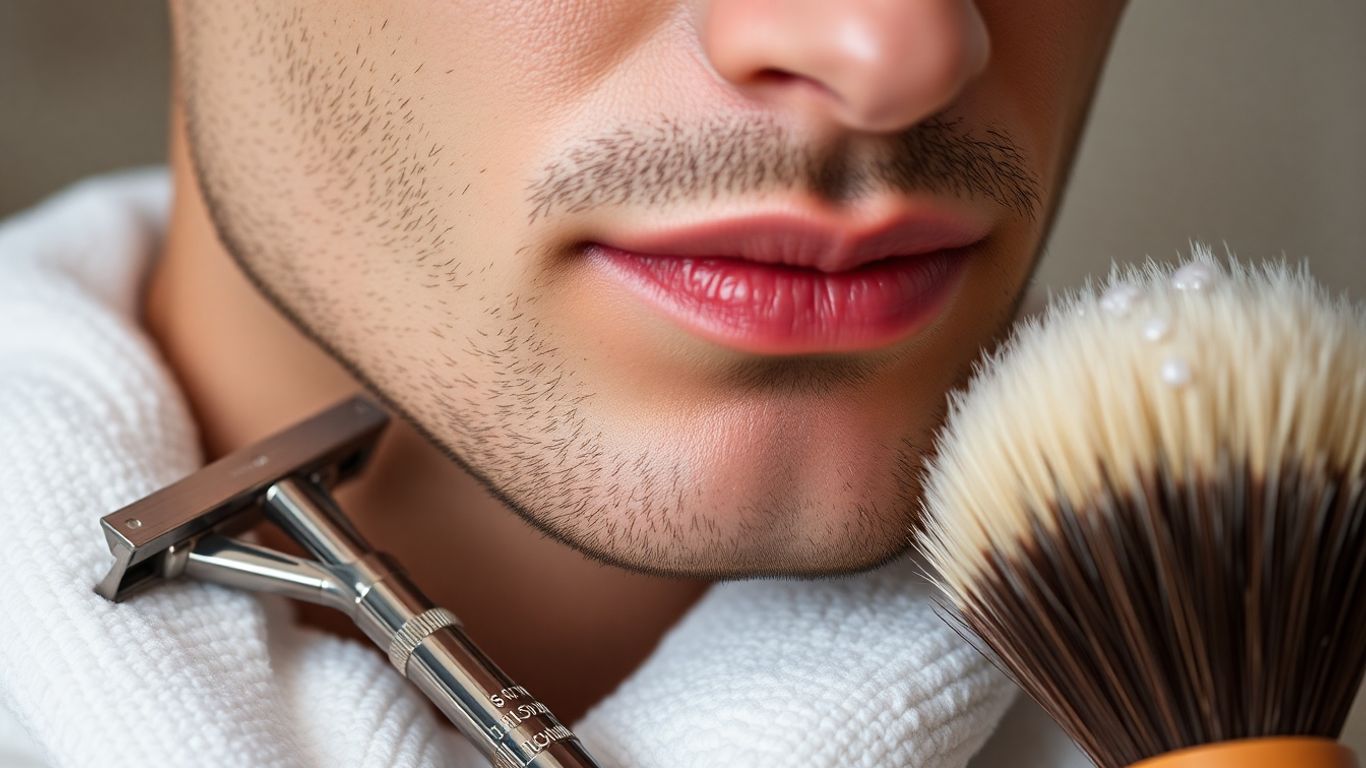
Getting a good shave can feel like a challenge, right? Like, you see guys in movies with these perfectly smooth faces, and you're over here with razor bumps and irritation. It doesn't have to be that way. This whole thing about traditional shaving, it's not just about looking good, it's like a whole ritual. Think of it as a way to slow down and actually take care of yourself for a bit. We're going to break down how to do it right, from the tools you need to the actual strokes you make. It's all part of The Gentleman’s Guide to the Perfect Shave.
Key Takeaways
- Traditional shaving uses specific tools like safety razors, shaving brushes, and quality soaps for a better experience.
- Preparing your skin with pre-shave oil and creating a good lather with a brush is important for a smooth shave.
- Shave with the grain of your hair and use gentle, short strokes with the correct razor angle.
- After shaving, rinse with cold water and use a non-alcoholic balm to soothe and hydrate your skin.
- Taking your time and practicing these techniques leads to a closer shave and healthier skin.
The Gentleman’s Guide to the Perfect Shave: Essential Tools
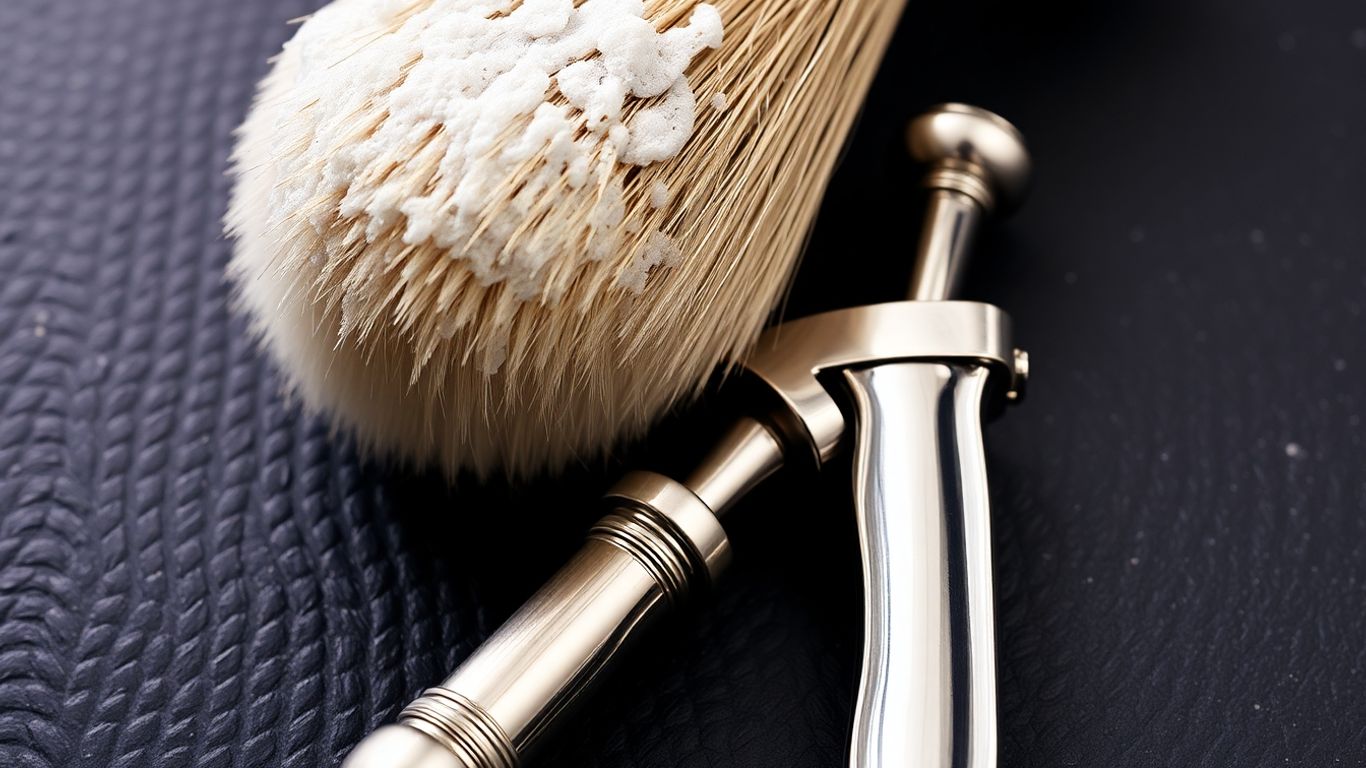
Understanding the Tools for Traditional Shaving
Forget those multi-blade contraptions and electric buzzers for a moment. True traditional shaving is about a more deliberate, tactile experience. It’s a ritual, and like any good ritual, it starts with the right equipment. Getting these basics right is the first step towards a shave that feels as good as it looks. It’s not just about removing hair; it’s about treating your skin with respect.
- The Safety Razor: This isn't your grandpa's rusty old razor. Modern safety razors, often double-edged, offer a precision that's hard to beat. They use a single, sharp blade that glides smoothly, minimizing irritation. Think of it as a classic car – elegant, effective, and built to last.
- Shaving Soap or Cream: Ditch the canned foam. A good quality shaving soap or cream, when worked into a lather, creates a protective cushion for your skin. This softens the beard hairs, making them easier to cut and preventing razor drag. The lather itself is part of the experience, a rich, fragrant layer that prepares your face.
- Shaving Brush: This is your lathering tool. Made from badger, boar, or synthetic bristles, a good brush whips shaving soap or cream into a thick, creamy lather. It also exfoliates your skin gently and lifts the beard hairs, setting them up for a clean cut. It’s the difference between a quick scrub and a proper preparation.
- Pre-Shave Oil: This is where things get interesting. A few drops of pre-shave oil applied before your lather can make a significant difference. It adds an extra layer of protection and lubrication, helping the razor glide even more smoothly and reducing the chance of nicks and irritation. It’s like putting down a protective mat before a delicate operation.
The right tools don't just make the job easier; they transform a mundane task into a moment of personal care and refinement. Each piece plays a role in achieving that sought-after smooth finish.
Pre-Shave Oil: The Secret Elixir
Before you even think about picking up a razor, consider the humble pre-shave oil. This isn't just some fancy add-on; it's a genuine game-changer for anyone prone to irritation or razor burn. Applied directly to the skin before lathering, it creates a slick barrier. This barrier allows the razor to glide with less friction, significantly reducing the chances of nicks, cuts, and that uncomfortable post-shave sting. Think of it as a lubricant for your skin, making the entire shaving process smoother and more forgiving. A few drops are all you need to prepare your face for the blade. It’s a small step that yields big results, especially if your beard is coarse or your skin is sensitive. You can find some excellent options at places that focus on traditional grooming, like Perry's Barber Shop.
Shaving Soap & Brush: Embrace the Classics
Forget the aerosol cans that offer more air than actual shaving cream. For a true gentleman's shave, you need to embrace the classics: shaving soap and a good brush. Working up a lather with a shaving brush isn't just about creating foam; it's a mindful part of the ritual. Wet your brush, swirl it into a quality shaving soap (or cream) until you have a rich, dense lather. Then, apply it to your face in circular motions. This process softens your beard, lifts the hairs away from the skin, and provides a protective cushion. It’s a far more effective and satisfying way to prepare your skin than any canned product can offer. The feel of the brush on your skin and the scent of the soap add a sensory dimension to your shave.
The Safety Razor: Old-School Charm Meets Precision
The safety razor is the cornerstone of traditional wet shaving. Unlike cartridge razors with multiple blades that can tug and pull, a double-edged safety razor uses a single, sharp blade. This design allows for a much closer shave with significantly less irritation. Holding the razor at a consistent angle, typically around 30 degrees, is key. You'll want to use short, controlled strokes, rinsing the blade frequently. It might take a little practice to get the hang of it, but the results are worth it. The precision offered by a safety razor means a smoother finish and a healthier-looking complexion, free from the redness and bumps often associated with other shaving methods. It’s an investment in quality that pays off every time you shave.
Mastering the Art: Traditional Shaving Techniques
Transitioning to traditional shaving is more than just switching razors; it's about adopting a mindful approach to grooming. This method, while requiring a bit more time, rewards you with a superior shave and a more pleasant experience. It’s a ritual that, once mastered, becomes a calming start to your day.
Preparing the Skin for a Smooth Glide
Getting your skin ready is half the battle for a close shave. You want to soften the stubble and open up your pores. Start by washing your face with warm water. This helps lift the hairs and makes them easier to cut. Applying a pre-shave oil at this stage adds an extra layer of protection, letting the razor glide more smoothly and reducing the chance of irritation. Think of it as creating a slick surface for the blade to move across.
The Lathering Technique: Creating Richness
Forget the canned foam. Real lather, made with a shaving soap or cream and a brush, is key. You want a thick, creamy lather that holds its shape. Load your brush by swirling it on the soap or cream, then work it into a lather in a separate bowl or directly on your face. The goal is a rich, stable foam that provides a cushion between your skin and the blade. This step takes practice, but the result is a much more comfortable shave. A good lather should look like soft whipped cream.
Shaving with the Grain: The Golden Rule
This is perhaps the most important technique to learn. Shaving with the grain means following the direction your hair naturally grows. Shaving against the grain can lead to irritation, razor burn, and ingrown hairs. To figure out your grain direction, just run your hand over your stubble; you'll feel which way it lies flat. Most men have hair that grows downwards on their cheeks and neck, but it can vary. Always start by shaving in that direction. If you need an even closer shave, you can re-lather and go against the grain, but do so cautiously. Understanding your face's grain is vital.
The Art of the Stroke: Angle and Pressure
When you hold the razor, the angle matters. For a safety razor, aim for about a 30-degree angle against your skin. You don't need to press down hard; let the weight of the razor do the work. Too much pressure will cause nicks and irritation. Use short, controlled strokes, rinsing the blade frequently in hot water to keep it clear of hair and lather. It’s about finesse, not force. Think of it as guiding the blade rather than pushing it.
Elevating the Experience: Beyond the Blade
So, you've got the tools, you've practiced the lather, but how do you really take your shave from 'good enough' to 'wow'? It's all in the details, really. Think of it like cooking – you can have the best ingredients, but if you don't know how to handle them, the meal falls flat. The same goes for shaving.
Choosing the Correct Blade: Less is More
This is where a lot of guys get it wrong. They think a sharper blade always means a better shave. Not necessarily. For a safety razor, the blade itself is pretty standard, but how you treat it and how often you change it makes a big difference. Don't try to get too many shaves out of one blade. It's tempting to save a few bucks, but a dull blade is the fast track to irritation and nicks. Most guys find that changing the blade every 3-5 shaves is a sweet spot. It keeps the cutting edge keen without being overly aggressive.
Here's a quick guide:
- New Blade: Sharp, smooth, minimal pressure needed.
- 3-5 Shaves: Still good, might need a touch more pressure.
- 6+ Shaves: Blade is likely dulling, watch for tugging or irritation.
The Importance of Patience: Don't Rush
This is probably the hardest part for most of us. We're used to rushing through our morning routine. But traditional shaving isn't about speed; it's about the process. Take your time. Enjoy the feel of the lather, the glide of the razor. If you're feeling rushed, just skip it for the day or do a quick touch-up with a cartridge razor if you absolutely must. Trying to shave quickly with a safety razor is a recipe for disaster.
Rushing a shave often leads to mistakes. It's better to have a slightly longer routine and end up with smooth, happy skin than to rush and deal with cuts and redness all day. Think of it as a moment of mindfulness in your day.
Understanding Grain Direction for Optimal Results
This is the real game-changer. Most people just shave in whatever direction feels natural. But your facial hair doesn't grow in one uniform direction. It has 'grain'. Shaving with the grain means shaving in the direction your hair grows. Shaving against the grain gives you a closer shave, but it also increases the risk of irritation. Shaving across the grain is somewhere in between.
Here's how to figure it out:
- Feel Your Face: After a day or two of growth (without shaving), run your hand over your cheeks and neck. Feel where the stubble feels smooth and where it feels rough. The direction it feels rough is the direction the hair grows.
- Shave With the Grain First: Always start by shaving in the direction your hair grows. This is the safest way to begin and minimizes irritation.
- Re-lather and Go Against (Carefully): If you want an even closer shave, re-lather your face and then shave against the grain. Use very light pressure and short strokes. Be mindful of any areas that tend to get red or irritated.
Getting the grain right takes a little practice, but once you nail it, your shaves will be noticeably smoother and more comfortable.
Post-Shave Rituals for Rejuvenated Skin
Alright, so you've conquered the shave itself. That's a win. But we're not quite done yet. The steps you take right after the blade has done its work are just as important for keeping your skin happy and looking its best. Think of it as the finishing touches on a masterpiece.
The Cold Water Rinse: Closing Pores
First things first, ditch the hot water for a moment. Splash your face with some cool or cold water. This isn't just about feeling refreshed, though that's a nice bonus. The cold water helps to close up your pores, which have been opened up during the shaving process. This makes your skin less likely to pick up dirt and grime throughout the day. It’s a simple step, but it really does make a difference in how your skin feels and looks afterward. A good splash is all it takes to tighten your skin.
Alum Bar: The Unsung Hero of Post-Shave Bliss
Now, let's talk about the alum bar. This might seem a bit old-fashioned, but trust me, it's a game-changer for post-shave care. An alum block is a natural antiseptic and astringent. After rinsing with cold water, wet the alum bar and gently glide it over your freshly shaved skin. You'll notice it might sting a little in areas where you had a close shave or maybe a tiny nick. That's the alum doing its job, helping to stop any minor bleeding and calm down any irritation. After a minute or two, rinse your face again with cold water to wash off any residue.
Non-Alcoholic After Shave Lotion: Gentle Hydration
Finally, we need to moisturize. Forget those aftershaves that burn and sting – we're going for soothing and hydrating here. Pick a lotion or balm that's alcohol-free. Alcohol can dry out your skin, which is the last thing you want after shaving. Gently pat a small amount of your chosen aftershave onto your face. It helps to rehydrate the skin, calm any redness, and leave your face feeling smooth and comfortable. It’s the perfect way to finish the whole process, leaving your skin feeling great for the rest of the day.
The Benefits of Traditional Wet Shaving
Superior Shave Quality
Forget those quick electric buzzes or multi-blade cartridges that can sometimes tug and pull. Traditional wet shaving, especially with a good safety razor or even a straight razor, offers a level of closeness that’s hard to beat. It’s about precision. The single blade glides over your skin, cutting the hair right at the surface without disturbing the skin itself. This means fewer nicks, less irritation, and that baby-smooth feeling that lasts longer. It’s a noticeable difference you can feel throughout the day.
Enhanced Skincare Benefits
This isn't just about removing hair; it's also good for your skin. When you use a quality shaving soap and a brush, you're not just creating lather. That brush is actually exfoliating your skin, lifting away dead skin cells. Then, the pre-shave oil and the rich lather provide a protective barrier, allowing the razor to glide smoothly. This combination helps prevent common issues like razor burn, ingrown hairs, and general redness. Plus, the post-shave routine, often involving an alum block or a soothing balm, helps calm and rehydrate the skin, leaving it feeling healthier and looking better.
A Mindful and Luxurious Activity
Let's be honest, most of our morning routines are a rush. Traditional shaving flips that script. It forces you to slow down, to be present. The ritual of building a lather with a brush, the careful strokes of the razor, the cool rinse – it all becomes a moment of calm in your day. It’s a chance to focus on yourself, to engage your senses with the scent of the soap and the feel of the tools. It transforms a chore into a personal indulgence, a small luxury that sets a positive tone for whatever comes next. It’s a bit like a mini-spa treatment right in your own bathroom.
Exploring Artisanal Shaving Products
The Beauty of Traditional Shaving
In a world that often rushes, the practice of traditional shaving offers a welcome pause. It’s more than just getting rid of stubble; it’s about the feel of the brush, the scent of the soap, and the careful glide of the blade. This old-school approach, often called wet shaving, is making a comeback because it just feels better and gives a cleaner shave than those quick cartridge razors. It’s a way to connect with a more classic style of grooming.
Crafted for the Discerning Gentleman
Artisanal shaving products are made with a lot more care than what you find in the big box stores. Think small batches, quality ingredients, and a real understanding of what makes a good shave. These aren't just mass-produced items; they're crafted by people who are passionate about shaving. You can really feel the difference in things like shaving soaps that build a thick, creamy lather or aftershave balms that soothe your skin without that harsh alcohol sting. Brands like The Art of Shaving focus on creating these high-quality, handcrafted items that turn shaving from a chore into a pleasant ritual.
Fragrance as Part of the Ritual
Choosing the right scent for your shave can really change the whole experience. It’s not just about smelling good afterward; the aroma of your shaving soap or cream can set the tone for your day. You can go for something fresh and citrusy to wake you up, or maybe a woody, musky scent for a more grounded feel. It’s a personal touch that makes the whole grooming process feel more luxurious and tailored just for you.
The real charm of artisanal products lies in their ability to transform a mundane task into a moment of personal indulgence. It’s about appreciating the craft and the sensory experience, making your daily shave something to look forward to.
Discover the art of traditional shaving with our carefully chosen products. We offer everything you need for a smooth, clean shave. Visit our website today to find the perfect tools for your grooming routine!
The Journey to a Perfect Shave
So, there you have it. Mastering the art of the shave isn't some big secret, it just takes a little know-how and some decent gear. Forget those quick fixes; taking your time with the right tools and techniques is what really makes the difference. You'll end up with skin that feels good, not like it went through a cheese grater. It’s a small change, but honestly, it makes your whole morning feel a bit more put together. Give it a shot, and you'll see what I mean. You might even start to actually enjoy shaving.
Frequently Asked Questions
What are the basic tools needed for traditional shaving?
For a classic shave, you'll need a few key items. Start with a good shaving soap or cream and a brush to make a nice lather. A safety razor is a great choice, along with sharp, double-edged blades. Don't forget a pre-shave oil to help soften your beard and an after-shave lotion to calm your skin afterward.
How do I prepare my skin before shaving?
Getting your skin ready is super important for a smooth shave. First, wash your face with warm water to open up your pores and soften your beard hairs. Using a pre-shave oil can also help a lot. Gently massaging it in prepares your skin for the razor, making it less likely to get irritated.
What's the best way to make shaving lather?
Making good lather is key! Wet your shaving brush with warm water, then swirl it around in your shaving soap or cream until it's nice and foamy. You want a thick, creamy lather, almost like whipped cream. Apply it to your face in circles with the brush; this lifts the hairs and gives the razor a smooth path.
Should I shave with or against the direction my hair grows?
It's usually best to shave with the direction your hair grows, which is called 'with the grain.' This helps prevent razor bumps and irritation. If you need a closer shave after your first pass, you can re-lather and carefully shave against the grain, but be gentle.
What should I do after I finish shaving?
After you're done shaving, rinse your face with cool water. This helps close your pores and calm your skin. You can also use an alum block, which is like a natural antiseptic that helps stop any small nicks from bleeding and soothes your skin. Finally, apply a gentle, alcohol-free after-shave lotion to keep your skin moisturized.
Why is traditional shaving better than using electric razors or disposables?
Traditional shaving often gives a much closer shave because the blade is right against your skin. It also helps exfoliate your skin and can be a more relaxing, mindful experience. Plus, using quality tools and products can be better for your skin in the long run, reducing irritation and ingrown hairs.


Comments
Post a Comment