Cut, Shave, Repeat: Mastering the Essential Grooming Routine for Every Man
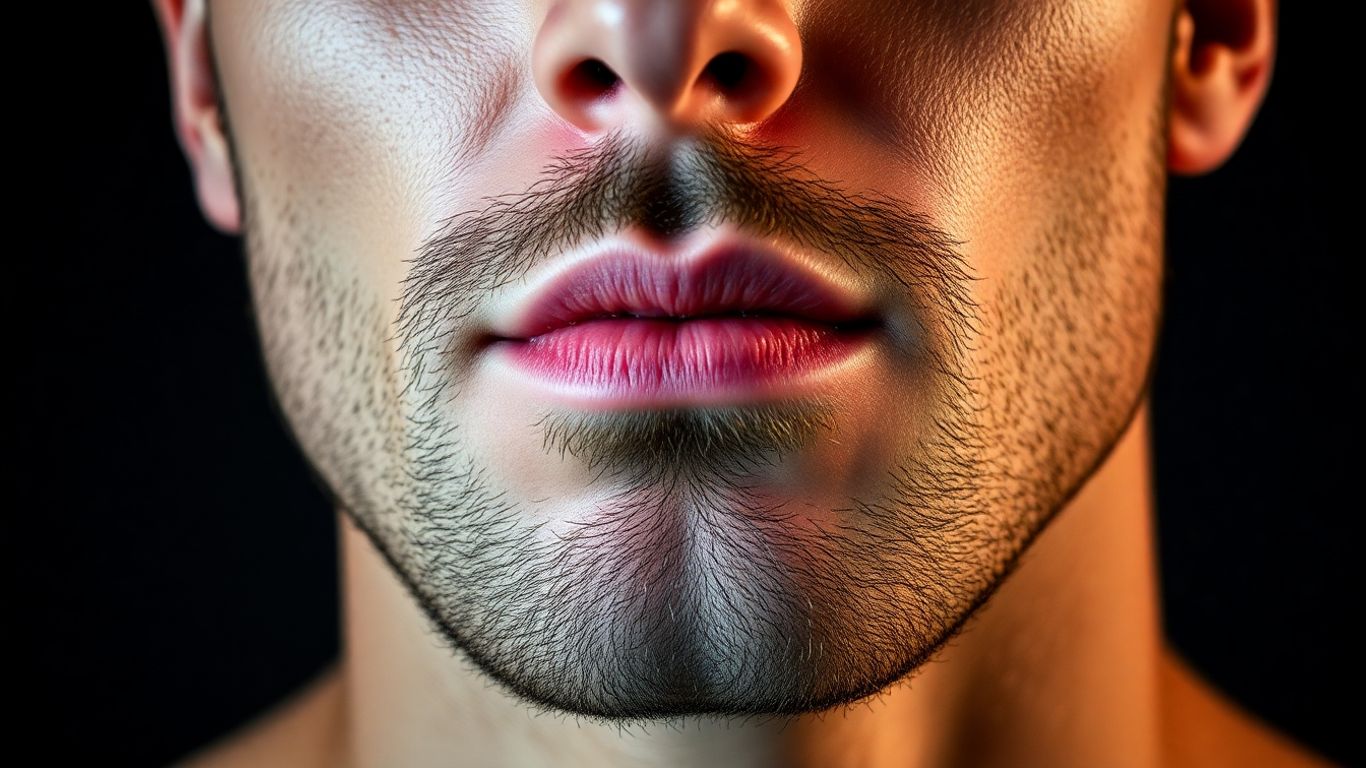
Keeping yourself looking sharp isn't just about the clothes you wear. It's about the whole package, and that starts with a solid grooming routine. Think of it like this: you wouldn't skip the oil change on your car, right? Well, your face and hair need that kind of attention too. This guide is all about breaking down the basics, from getting a clean shave without the irritation to keeping your hair looking good and your skin feeling healthy. We'll cover the simple steps that make a big difference, so you can feel confident and put-together every single day. It’s not complicated, just a few consistent habits.
Key Takeaways
- Start with clean skin: Washing your face daily helps remove dirt and oil, preparing your skin for shaving or moisturizing.
- Prep is key for shaving: Soften your stubble with warm water or a shower before you shave to reduce irritation.
- Use the right tools and products: A sharp razor, good shaving cream, and a quality aftershave balm can make a big difference.
- Don't forget post-shave care: A cold rinse and a good moisturizer help your skin recover and stay healthy.
- Consistency matters: Regular trimming of facial hair and proper hair washing are important for a polished look.
The Foundation Of A Polished Appearance
Getting your face right is pretty much the first step to looking put-together. It’s not about being fancy, it’s just about taking care of yourself. Think of it like this: you wouldn’t wear a nice suit with dirty shoes, right? Your face is kind of the same deal. A clean, healthy face makes everything else look better. It’s the base layer for your whole look.
Understanding Your Skin Type
So, what kind of skin do you actually have? Knowing this is a big deal because it means you can pick products that actually help, instead of just making things worse. Most guys fall into a few main categories:
- Oily Skin: If your face looks shiny, especially in the T-zone (forehead, nose, chin), and you get a lot of blackheads or pimples, you probably have oily skin. You need products that control oil without drying you out completely.
- Dry Skin: Does your skin feel tight, especially after washing, or look flaky? Dry skin needs moisture. You want to avoid harsh soaps and look for creamy, hydrating cleansers.
- Combination Skin: This is super common. You might have an oily T-zone but dry or normal cheeks. You’ll need to find a balance, maybe using different products on different areas or a gentle cleanser that works for both.
- Normal Skin: Lucky you! If your skin doesn’t get too oily or too dry, and you don’t have many breakouts, you’re probably in this group. You can use a wider range of products, but still, keep it simple and gentle.
Figuring out your skin type isn't rocket science. Pay attention to how your skin feels and looks throughout the day, especially after you wash it. That’s your best clue.
The Importance Of Daily Cleansing
Washing your face every day might sound like a no-brainer, but a lot of guys just use whatever soap is handy. That’s not ideal. Your face skin is different from the skin on your body. Using a proper face wash, ideally once a day, helps get rid of the dirt, oil, and grime that build up. This stops your pores from getting clogged, which can lead to breakouts and blackheads. Plus, it just makes your skin feel fresh and clean. If you live in a city or work in a dusty environment, cleansing is even more important to get rid of all that pollution.
Choosing The Right Face Wash
Picking the right face wash is key. You don’t need anything complicated. Look for something that matches your skin type. For oily skin, a gel or foaming cleanser can help cut through the grease. If you have dry skin, a cream or lotion-based cleanser will be gentler and add some moisture. For combination skin, a mild, general-purpose cleanser usually works well. Avoid anything with harsh alcohol or strong perfumes, as these can irritate your skin, especially if it’s sensitive. Some cleansers also have mild exfoliating ingredients, which can be good for keeping skin smooth, but don’t overdo it – once or twice a week is plenty for those.
| Skin Type | Recommended Cleanser Type | Key Benefit |
|---|---|---|
| Oily | Gel or Foam | Controls excess oil, deep cleans pores |
| Dry | Cream or Lotion | Hydrates, prevents tightness and flaking |
| Combination | Mild or Gel | Balances oil and moisture |
| Sensitive | Gentle, Fragrance-Free | Soothes, avoids irritation |
Mastering The Art Of The Close Shave

Getting a really close shave can feel like a superpower, right? It’s not just about looking sharp; it’s about feeling smooth and confident. But let’s be honest, sometimes it feels more like a battle with nicks and irritation. The good news is, with a little know-how, you can totally nail that perfect shave every time. It’s all about preparation, the right tools, and a bit of technique. Think of it as a ritual, not a chore. The goal is a smooth finish without the sting.
Preparation Is Paramount For A Flawless Shave
Before the blade even thinks about touching your face, you need to set the stage. This is where most people cut corners, and that’s usually why things go wrong. A good prep job softens your beard hairs and opens up your pores, making the hair easier to cut and reducing the chance of razor burn. It’s like getting your garden ready before you plant seeds – you wouldn’t just throw them in the dirt, would you?
Here’s a quick rundown of what to do:
- Wash your face: Use warm water and a gentle cleanser. This gets rid of any dirt or oil that could clog your razor or irritate your skin.
- Hot Towel Treatment (Optional but Recommended): Wrap a warm, damp towel around your face for a few minutes. The steam really helps to soften everything up.
- Apply Pre-Shave Oil: A thin layer of pre-shave oil creates an extra barrier between your skin and the blade, adding slip and protection.
Skipping these steps is like trying to cut through a tough steak with a dull butter knife. It’s going to be messy and painful.
Selecting The Ideal Shaving Cream And Brush
Forget the cheap foam in a can. We’re talking about proper shaving cream or soap here. These products have better ingredients that help the razor glide smoothly and also moisturize your skin. Think of it as lubrication for your shave.
- Shaving Cream/Soap: Look for creams with natural oils and glycerin. They create a richer lather that protects your skin better than basic foams.
- Shaving Brush: A good brush, usually made of badger hair (though vegan options are great too!), is key. It whips the cream into a thick lather and lifts the beard hairs away from the skin, giving you a cleaner shave.
Here’s a simple way to lather up:
- Dip your brush in warm water.
- Work the cream or soap into the brush until you get a rich, creamy lather.
- Apply the lather to your face in circular motions.
Techniques For A Smooth, Irritation-Free Shave
Now for the main event. The actual shaving part. It’s not just about hacking away; it’s about precision and knowing your face.
- Go with the Grain First: Always shave in the direction your hair grows. This is the most important rule for avoiding irritation. You can usually tell which way your hair grows by looking closely or feeling your stubble.
- Short, Gentle Strokes: Don't try to shave a huge patch of skin with one long stroke. Use short, controlled strokes. Let the razor do the work; don't press down hard.
- Rinse Your Blade Often: After every stroke or two, rinse the razor under hot water. This clears out hair and lather, keeping the blade sharp and effective.
- Second Pass (Optional): If you want an even closer shave, re-lather your face and shave against the grain. Be extra careful here, as this is where irritation can happen if you’re not gentle.
- Know Your Contours: Faces aren't flat. You'll need to adjust the angle of your razor as you move over your jawline, chin, and neck. Sometimes, stretching the skin slightly with your free hand can help create a flatter surface for the blade.
| Area | Recommended Stroke Direction |
|---|---|
| Cheeks | Downwards |
| Neck | Downwards or Upwards |
| Upper Lip | Downwards |
| Chin | Downwards or Sideways |
Post-Shave Care For Healthy Skin
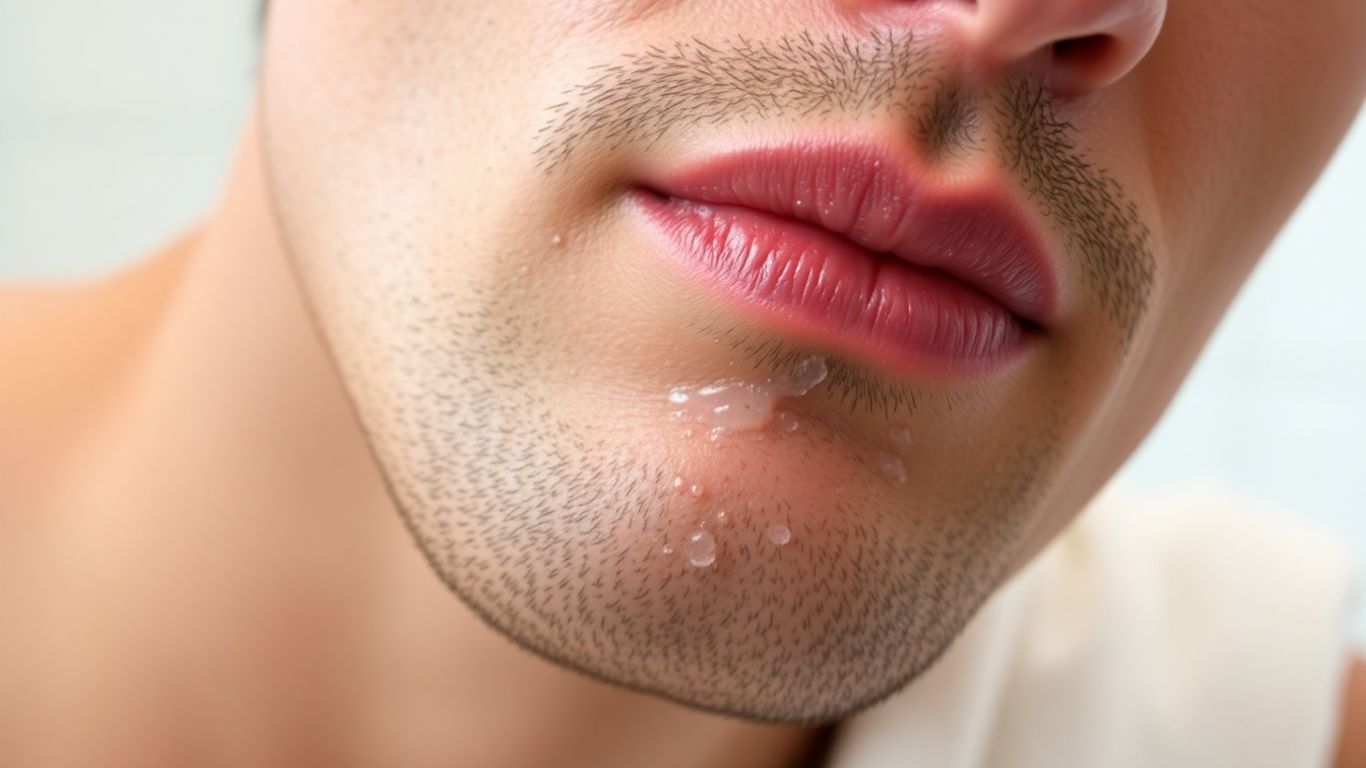
So, you've conquered the shave. That's great, but your skin might still be feeling a bit raw. What you do right after the razor leaves your face makes a big difference in how your skin looks and feels. It’s not just about getting rid of stubble; it’s about treating your skin right afterwards.
The Benefits Of A Cold Water Rinse
Once you're done shaving, give your face a good rinse with cold water. Seriously, don't skip this. Cold water helps to close up your pores, which can prevent dirt and bacteria from getting in and causing breakouts. It also helps to calm down any redness or irritation that might have popped up during the shave. Just splash it on a few times, and then gently pat your face dry with a clean towel. No rubbing, okay? Rubbing can just irritate your skin more.
Nourishing Your Skin With Aftershave Balm
After rinsing and patting dry, it's time for some nourishment. This is where a good aftershave balm comes in. Think of it like a moisturizer, but specifically designed for post-shave skin. Look for balms that have ingredients like aloe vera or chamomile – they're known for their soothing properties. If you have sensitive skin, try to find one that's alcohol-free, as alcohol can really dry out and sting your skin. Gently massage a small amount into the shaved areas. It helps to replenish moisture and keep your skin feeling soft and comfortable.
Addressing Common Shaving Irritations
Sometimes, despite your best efforts, you might still get a little redness, some bumps, or even a nick or two. That's pretty normal. For minor irritation, continuing with a soothing, alcohol-free balm is usually enough. If you've got a small cut, a dab of petroleum jelly can help seal it and prevent infection. For more persistent razor bumps or ingrown hairs, gentle exfoliation a day or two after shaving can help. Just don't overdo it; you don't want to irritate the skin further. Consistency is key here – stick to a good routine, and your skin will thank you.
Taking a few extra minutes after your shave to properly care for your skin can prevent a lot of common problems and leave your face feeling much better. It's a small step that really pays off in the long run for healthier skin.
Elevating Your Hair Care Routine
Taking care of your hair is more than just a quick wash; it's about understanding what works for your specific hair type and style. A consistent hair care routine can make a big difference in how you look and feel. It’s not about complicated steps, but rather about using the right products and techniques.
Finding the Perfect Haircut for Your Style
Choosing a haircut is a personal journey. What looks great on one person might not suit another. It really depends on your face shape, hair texture, and how much time you're willing to spend styling it each day. A good barber can be a real asset here. They can look at your hair and face and suggest styles that will work well for you. If you're noticing thinning hair, a skilled stylist can also help you find cuts that make your hair look fuller. It’s a good idea to find a barber you trust and stick with them. They’ll get to know your preferences over time, making future appointments easier.
Proper Hair Washing Techniques
Most guys think they've got washing their hair down pat, but there's a bit more to it than just grabbing any bottle. Washing your hair too often can strip away its natural oils, which can actually make your scalp produce more oil to compensate. For many, washing every other day, or even less, is perfectly fine. You might find your hair feels better and looks healthier with less frequent washing. When you do wash, make sure you're rinsing thoroughly to get all the shampoo and conditioner out. Product buildup can weigh your hair down and make it look dull.
Here’s a simple guide to washing your hair:
- Wet your hair thoroughly with warm water.
- Apply a small amount of shampoo, focusing on the scalp.
- Gently massage the shampoo into your scalp and work it through the lengths of your hair.
- Rinse the shampoo out completely.
- Apply conditioner, focusing on the mid-lengths and ends of your hair.
- Leave the conditioner on for a minute or two, then rinse thoroughly with cool water.
Don't be afraid to try different types of shampoos and conditioners. What works for one person might not work for you, and finding the right products can take some trial and error. Consider using a hair oil a couple of times a week for extra nourishment, especially if your hair feels dry or damaged. You can find good hair care products at places like Sephora.
Styling Your Locks with Confidence
Once your hair is clean and conditioned, styling is the next step. There are tons of products out there, like pomades, waxes, and creams, each offering a different hold and finish. A hair crème, for example, can be great for smoothing frizz and adding definition to wavy or curly hair, especially if you have medium to long styles. It’s all about experimenting to see what gives you the look you want. Don't be afraid to try new things; sometimes the best styles come from unexpected combinations. Remember, the goal is to feel good about how your hair looks, so have fun with it.
Facial Hair Grooming Essentials
So, you've got some facial hair. Whether it's a full beard, a neat mustache, or just a bit of stubble, keeping it looking good takes a little effort. It's not just about letting it grow wild; it's about shaping it, keeping it clean, and making sure it complements your overall look. Think of it like tending a garden – a little regular attention goes a long way.
The Art Of Beard Trimming
Beard trimming isn't just about hacking away at it. It's about creating a shape that works for your face. You'll want to start with a good trimmer and maybe some scissors. First, comb your beard to get rid of tangles and see the natural growth pattern. Then, use the trimmer with a guard to even out the length. For the edges, like along your jawline and cheeks, you might want to switch to a lower guard or even use a razor for a cleaner line. Regular trims prevent split ends and keep your beard from looking unruly. It’s a good idea to visit a barber, like those at Perry's Barber Shop, every few weeks to get a professional shaping, especially if you're going for a more complex style.
Maintaining A Well-Kept Mustache
Mustaches can be tricky. They're right there on your face, so any stray hairs are pretty noticeable. To keep your mustache looking sharp, you'll need a small comb and some mustache wax. Comb your mustache downwards and outwards to get a sense of its shape. Trim any hairs that fall below your lip line with small, sharp scissors. For styling, a bit of wax can help keep those rogue hairs in place and give your mustache a defined shape. You can also use a trimmer with a very fine guard for the edges if needed.
Balancing Style With Cleanliness
No matter what style of facial hair you sport, keeping it clean is non-negotiable. You should be washing your beard or mustache regularly, just like you wash your hair. Use a dedicated beard wash or a gentle shampoo. This helps remove food particles, dead skin cells, and any product buildup. After washing, always pat it dry gently. You might also want to use a beard oil or balm to keep the hair soft and the skin underneath moisturized. This prevents itchiness and flakiness, which nobody wants.
Keeping your facial hair clean and trimmed is just as important as keeping your hair on your head neat. It shows you care about your appearance and pay attention to the details.
The Role Of Moisturisation
Look, we all know that shaving can leave your skin feeling a bit raw. But even if you're not shaving, your skin is constantly dealing with stuff – wind, sun, pollution, you name it. That's where moisturiser comes in. It’s not just about smelling nice; it’s about keeping your skin healthy and looking its best. Think of it as a shield and a repair kit, all in one.
Protecting Your Skin From Environmental Factors
Every day, your skin is out there taking a beating. The sun's UV rays can cause damage, leading to premature aging and dark spots. Pollution in the air can clog pores and make your skin look dull. Even dry air, especially in winter, can strip your skin of its natural oils, leaving it feeling tight and looking flaky. Using a good moisturiser, especially one with SPF, helps create a barrier against these things. It locks in moisture and can contain ingredients that fight off free radicals from pollution. It’s like giving your skin a little armour for the day. For daily protection, look for something with at least SPF 30. You can find some great options that don't feel heavy or greasy, so you don't have to worry about looking shiny.
Nighttime Skin Repair Strategies
While you're catching Zs, your skin is busy repairing itself. This is the perfect time to give it a little extra help. Night creams or richer moisturisers are designed to support this natural process. They often have ingredients that help with cell turnover and hydration, which can make a big difference in how your skin looks and feels by morning. Applying a moisturiser before bed can help replenish any moisture lost during the day and combat dryness. It’s a simple step that can really pay off in the long run for keeping your skin looking fresh and youthful. Some people even find that using a serum before their moisturiser at night can target specific issues like fine lines or uneven tone more effectively.
Seasonal Skincare Adjustments
Your skin's needs change with the seasons, so your moisturiser should too. In the summer months, when it's hot and humid, you might prefer a lighter, gel-based or water-based moisturiser. These absorb quickly and won't feel heavy on your skin. They still provide hydration without making you feel sticky. As the weather cools down in autumn and winter, your skin will likely need more serious hydration. Switching to a thicker, creamier moisturiser can help prevent dryness and flakiness. It’s all about adapting to what your skin is going through. Don't forget that even in winter, sun protection is still important, so look for moisturisers with SPF year-round. Making these small adjustments can keep your skin comfortable and healthy no matter the weather. It’s a good idea to have a couple of different moisturisers on hand to switch between as needed. You can find a good daily moisturiser with SPF to help with skin health.
Keeping your skin hydrated is super important. Moisturizing helps your skin feel soft and healthy, preventing dryness and irritation. It's a simple step that makes a big difference in how your skin looks and feels. Want to learn more about the best ways to moisturize? Visit our website for tips and product recommendations!
Keep It Up
So, there you have it. We’ve gone over the basics, from getting your hair looking sharp to making sure your shave is smooth and irritation-free. It might seem like a lot at first, but honestly, once you get into the swing of things, it just becomes part of your day. Think of it like this: a little effort now means you look and feel better later. Plus, nobody wants to deal with razor burn or a bad hair day, right? Stick with it, find what works for you, and you'll be a grooming pro in no time. It’s all about feeling good in your own skin, and a little routine goes a long way.
Frequently Asked Questions
How often should I wash my face?
It's usually enough to wash your face once a day, especially before you go to bed. This helps get rid of dirt and oil that build up during the day. Washing too much can make your skin feel dry and tight.
What's the best way to prepare for a shave?
Before you shave, wash your face with warm water or take a warm shower. This softens your beard and opens up your pores, making it easier for the razor to cut smoothly and reducing the chance of getting razor bumps.
Should I use shaving cream or just soap?
Using a good shaving cream or soap is much better than just soap. It helps the razor glide more easily and protects your skin, which means less irritation and a smoother shave.
What should I do after shaving?
After you shave, rinse your face with cold water. This helps close your pores and calm your skin. Then, put on an aftershave balm to keep your skin feeling good and prevent dryness.
How often should I get a haircut?
It's a good idea to get your hair cut regularly, like every 4-6 weeks. This keeps your hairstyle looking neat and healthy. Finding a barber you like and booking appointments ahead of time can help you stay on track.
Does moisturizing really make a difference?
Yes, moisturizing is very important! It helps protect your skin from things like the sun and dry air. Using it daily keeps your skin from looking dry or old and helps it stay healthy.


Comments
Post a Comment