The Community Culture of Downtown Salt Lake City Barbershops: How Local Shops Foster Connection and Tradition
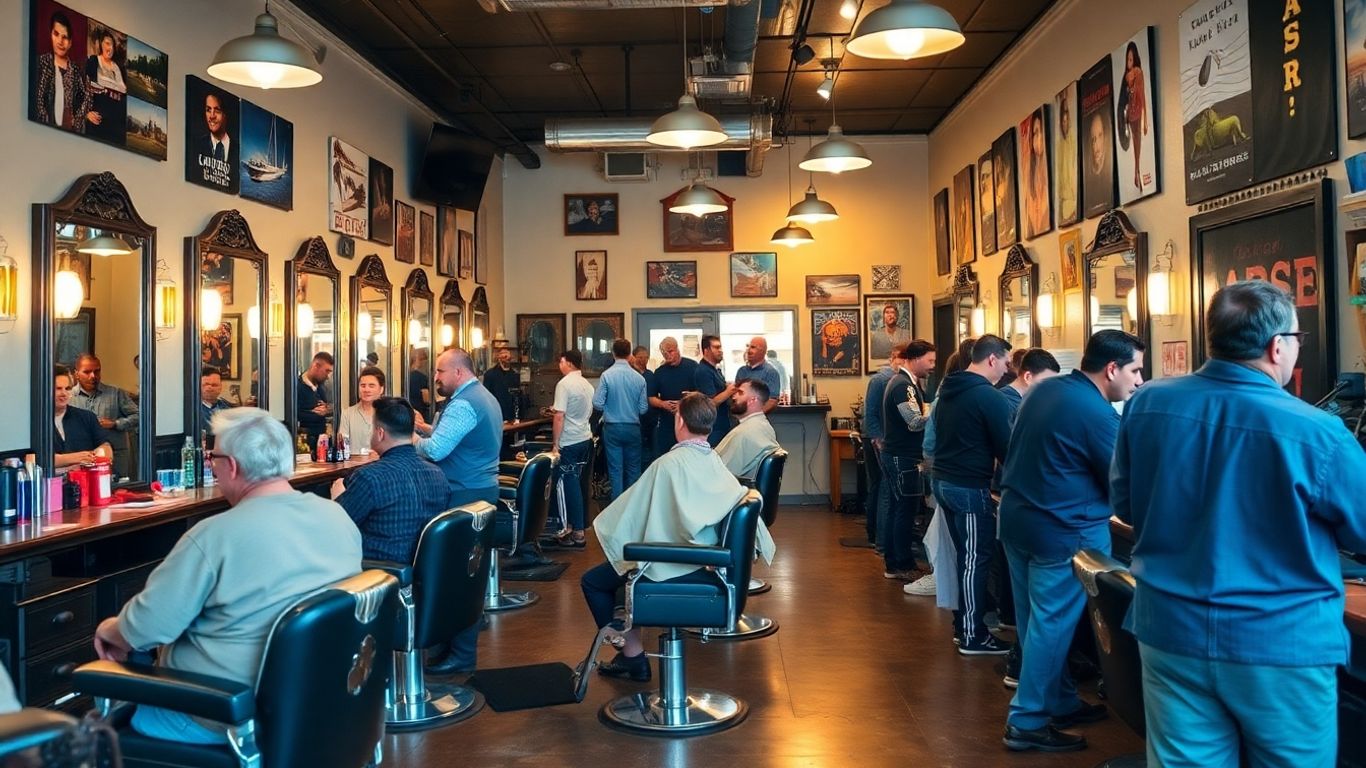
When you walk into a barbershop in downtown Salt Lake City, it feels different than any chain salon. The old-school chairs, the smell of aftershave, and the steady hum of clippers set the scene. But what really stands out is the sense of place—these shops have been part of the neighborhood for years, sometimes decades. It’s not just about getting a haircut. For a lot of folks, it’s about catching up, swapping stories, or just sitting quietly while life carries on around you. The Community Culture of Downtown Salt Lake City Barbershops is about more than style—it's about people, tradition, and a kind of connection that’s getting harder to find in a busy city.
Key Takeaways
- Downtown Salt Lake City barbershops have a long history of being neighborhood spots where people gather, not just places for haircuts.
- Barbers in these shops blend old techniques with new trends, making each visit feel personal and unique.
- The atmosphere in local barbershops encourages conversation and connection, though the level of community varies from shop to shop.
- Barbers build trust with regulars, sometimes even acting as mentors or friends, which keeps people coming back.
- Changing city demographics and gentrification mean these shops are always adapting, but the core values of respect, skill, and community still matter most.
Historical Roots of Barbering in Downtown Salt Lake City
Barbershops as Social Anchors Through the Ages
Even before there were shiny storefronts in downtown Salt Lake, local barbershops played a much bigger part than just cutting hair. They doubled as neighborhood hubs—where stories and news got swapped and connections were made. If you looked back a hundred years, you'd probably find men sitting inside for hours, getting a trim, talking politics, or just escaping obligations for a bit. You didn’t need an appointment; you just needed time and a dollar or two. The chairs weren’t as comfortable, the air maybe a bit stuffy, but nobody seemed to mind much.
- Barbershops were often among the first businesses to set up shop in new neighborhoods.
- They served as a safe spot for folks to gather and talk about whatever was happening locally.
- In Salt Lake City, early barbershops attracted a mix of pioneers, miners, and railroad workers.
There’s something familiar about the smell of talc and aftershave, mingling with laughter and arguments; that’s the old-school barbershop vibe generations remember.
Evolving Traditions and Practices
The way barbers operate in Salt Lake City has shifted a lot over time. Initially, barbers did much more than haircuts. They handled shaving, tooth extractions, and even minor medical tasks. Over time, as regulations changed and doctors took over the medical side, barbers stuck to grooming. Classic cuts and straight razors never completely left. Even as styles shifted—from tight crew cuts to the long hair of the ‘60s—shops handled whatever was in fashion.
Here's a look at how services have changed:
| Era | Main Services |
|---|---|
| 1800s | Shaving, haircuts, simple surgeries, tooth pulls |
| Early 1900s | Haircuts, shaves, shoe shines, facials |
| Mid 20th century | Crew cuts, pompadours, hot towel shaves |
| Today | Fades, beard trims, classic and modern styles |
Impact of Professionalization and Regulation
Being a barber in Salt Lake City wasn’t always about having a license. For decades, anyone with a pair of shears and a steady hand could set up shop. That started to change as the state put rules in place about sanitation and skill. Over time, becoming a barber meant going to school, passing tests, and keeping up with health standards.
Key results of these changes:
- Cleaner, safer environments for clients.
- More respect for the trade—barbering turned from odd job to real career.
- Some old-timers retired rather than adapt to the new requirements, which changed the face of the neighborhood shop.
The push for professionalism made shops more reliable, but it also took away some of that old, anything-goes charm you’d hear about from your grandpa’s era.
Distinctive Services and Craftsmanship in Local Barbershops
Barbershops in downtown Salt Lake City are about way more than just haircuts. They're places where skill meets personal service every day, blending old-school techniques with a few modern updates. Step inside and you’ll see the details: the sound of scissors, the patient focus, and an easy sense of tradition running through every appointment.
Signature Techniques and Classic Cuts
- Every barber has their own favorite moves, like skin fades, flat tops, or an old-fashioned straight razor shave.
- You’ll often spot detailed edge work, gentle beard shaping, and the kind of careful scissor-over-comb work you just don’t get everywhere.
- Some barbers add little extras—like a hot towel before a shave, or sharp neckline clean-up with a straight razor.
Here's a look at some classic and custom services offered in Salt Lake City shops:
| Service | Description | Time (min) |
|---|---|---|
| Classic Cut | Traditional men’s haircut | 25-30 |
| Beard Trim | Shaping and detail work | 15 |
| Hot Towel Shave | Razor shave with warm towels | 20-30 |
| Edge Detailing | Razor sharp lines and finish | 10 |
| Style Consultation | Advice on hair and beard styling | 5-10 |
A good example is Perry’s Barber Shop, a local favorite for blending modern precision with classic technique—every cut is finished with care and never rushed.
Personalized Grooming Experiences
- Most spots in the area don’t believe in cookie-cutter haircuts; barbers actually have real conversations about what you want before they touch the clippers.
- Folks come in expecting a relaxed, non-rushed appointment—some even see the shop as a break from all the pressure outside.
- Regulars get remembered by name, and barbers quickly pick up on small preferences—maybe you hate those loose hairs on your neck or need your beard shaped extra sharp.
There’s a certain comfort that comes from knowing you’re seen as more than a number. Spending that extra ten minutes to get your style right sets the tone for the rest of your week.
Balancing Tradition and Modern Trends
- A downtown barber has to know how to do a tight crew cut just as well as a textured, Instagram-worthy undercut.
- Trends come and go, so barbershops will often mix classic fades or pompadours with newer styles or products—think matte clays and sea salt sprays.
- Some clients want to stick to the old ways, while others are eager to experiment, so barbers keep learning from each other and swapping ideas.
Barbers in Salt Lake City work at the crossroads of past and present, shaping the look and feel of their neighborhoods one haircut at a time. In the end, it’s personal attention, skillful hands, and a sense of shared tradition that keep folks coming back—long after the trendiest styles have faded away.
Fostering Masculine Community and Connection
Downtown Salt Lake City barbershops aren’t just places to get a trim. They’re neighborhood hangouts where conversations bounce around, personal stories get told, and people come for more than just a haircut. There’s a certain energy these shops have—something you don’t really find anywhere else.
Barbershop Banter and Group Conversation
Step into a local shop, and you’ll immediately hear the laughter and jokes flying among the barbers. The banter isn’t only about sports or cars; sometimes barbers debate politics, share weird news stories, or tease each other about the usual. What stands out is:
- Regular, playful teasing—barbers push each other’s buttons for fun.
- Hypothetical arguments (think: "Who would win in a fight, a bear or a gorilla?")
- Group debates on music or neighborhood happenings.
While barbers often carry the conversation, clients listen in, sometimes jumping in with their own stories if they feel comfortable. It’s a kind of live show that makes the whole place feel alive.
The Role of Emotional Labor Among Barbers
A lot of people don’t realize how much barbers end up acting like counselors (minus the couch and the notepad). Guys open up about family problems, work stress, or rocky relationships. It’s not always deep, but when trust builds, clients know their barber is someone who’ll listen—and not judge. A few things barbers do that people might not notice:
- Remember names and life details—making clients feel seen.
- Offer a safe place to vent, away from home or work pressures.
- Drop casual advice, if asked—or just lend an ear.
There’s something about having someone work quietly on your hair that makes it easier to talk, especially about things you wouldn’t mention anywhere else. For a lot of guys, this is their only real chance to let loose a little emotionally.
Creating a Sense of Brotherhood and Belonging
At the heart of these shops is a feeling of brotherhood that’s hard to manufacture. It isn’t just about who’s sitting in the chairs, but about the shared rituals and unwritten rules:
- Greet everyone who walks in, no matter how regular or new they are.
- Celebrate folks’ wins—new jobs, engagements—or offer support during losses.
- Protect the shop’s good vibes; negativity gets shut down quickly.
Shop regulars come in for the sense that they’re part of a crew—not just paying customers. Some even drop by off the clock just to catch up, proving that a barbershop’s impact goes way beyond the haircut itself.
Neighborhood Bonds and Client Relationships
Building Trust With Regular Clients
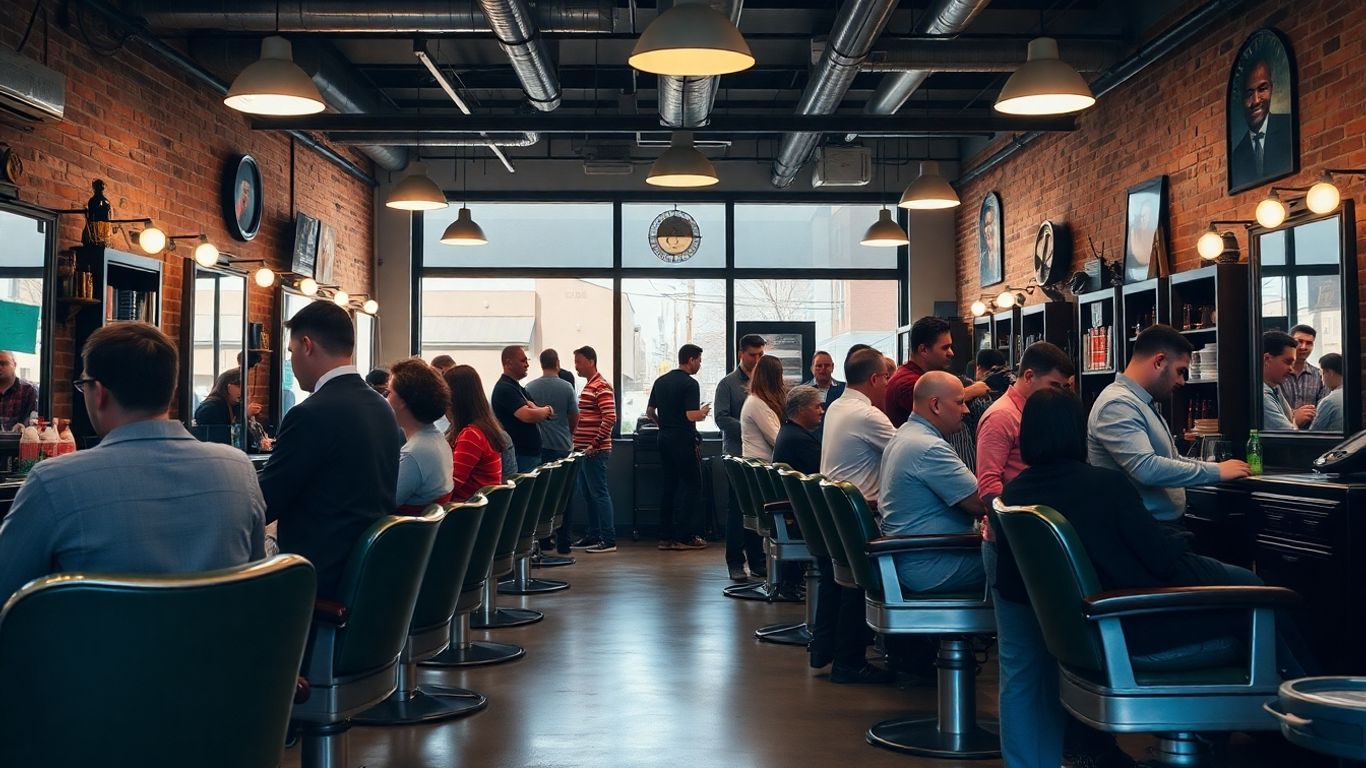
If you step inside most downtown Salt Lake City barbershops, you’ll notice right away that regulars aren’t just names on a calendar—they’re more like part of the place’s heartbeat. Trust builds over time here, through conversations as much as through haircuts. Many clients stick with one barber for years, and it’s not just about getting a trim. It’s about knowing your story is remembered, your preferences don’t need to be repeated, and you can relax, maybe even vent about your week.
A solid client-barber relationship often includes:
- Detailed notes or memory for hair styles, even specific clipper settings
- Free-flowing conversation about local events or family news
- Willingness to tweak service to match a client’s changing needs
Barbershops as Community Meeting Spaces
Downtown barbershops in Salt Lake City offer more than a service; they’re unofficial gathering spots. Neighbors catch up in waiting areas, or even organize small events. Sometimes it seems like there’s no better place to hear about new businesses, like award-winning local services, or get the lowdown on neighborhood happenings.
Here’s how local shops bring people together:
- Hosting occasional open-mic events or informal meetups
- Bulletin boards full of local flyers: everything from lost cats to car sales
- Spontaneous debates about sports, music, or city politics
When you spend time in these spaces, you start to see the shop as part of your community rhythm—a place where you’re recognized, not just served.
Mentorship and Intergenerational Traditions
Many barbershops have a family feel, and that includes passing down knowledge. New barbers often pick up skills from seasoned experts and, just as often, long-time clients share wisdom with younger folks in the chair next to them. This mentoring culture keeps the shop’s character alive.
A few hallmarks of this tradition:
- Apprentices learning classic techniques by watching and hands-on help
- Older clients sharing local history or life lessons with both staff and younger customers
- Shop owners encouraging staff to build personal rapport as part of their craft
Strong bonds in these barbershops don’t happen overnight—they grow through small, genuine exchanges, making each visit feel both ordinary and a bit special.
Diversity of Clientele and Inclusive Culture
Serving Salt Lake’s Urban Professionals
Downtown Salt Lake City barbershops see a steady stream of urban professionals during the week. From bankers in tailored suits rushing in for a quick trim before a lunch meeting to tech workers wanting a relaxing beard line-up after work, the city’s professional crowd values these spots for both convenience and care. Many shops cater to tight schedules and offer online booking so appointments slide right into busy calendars. At the same time, barbers have sharpened their listening skills: they remember preferred styles, product dislikes, and even details about the latest work promotion. For many, this blend of attentiveness and efficiency creates a small oasis away from office life’s steady demands.
Welcoming People Across Backgrounds
One of the coolest things about downtown barbershops here is how open they feel. Whether you’re a longtime resident or just moved to Salt Lake for school, the chairs are open to everyone. You’ll hear conversations that mix English with Spanish, kids bringing in their dads for a trim, and college students chatting about their studies. Some barbershops even run themed nights or barbershop talks to get people from all walks of life talking. Here’s what helps everyone feel included:
- Clear, friendly greetings—no matter how you look or dress.
- Services for every type of hair and personal style.
- No-pressure attitudes about what’s “in.” Everyone’s preferences are respected.
- Multilingual staff in many shops, which makes a huge difference for some families.
Navigating Changing Demographics
Salt Lake’s downtown isn’t the same as it was a decade ago, and the barbershops know it. There are more newcomers moving in—young people from out of state, new immigrant families, and retirees trying out city life. Shops are responding by:
- Updating training, so barbers are ready to work with every hair type and cultural style.
- Organizing community mixers so neighbors can meet each other in a low-key setting.
- Adjusting service menus to reflect customer demand—fades, straight razor shaves, natural hair care, even special rates for kids or seniors.
| Group | Typical Visit Time | Key Services |
|---|---|---|
| Urban pros | Weekdays, lunch | Quick cuts, beard trims |
| Students | Afternoons/weekends | Fades, undercuts, color |
| Families | Saturdays | Kids’ cuts, styling advice |
| Retirees/newcomers | Weekdays | Traditional shaves, classic cuts |
It’s not about appearances here. At their best, these shops become one of the few spots in the city where people of all backgrounds, jobs, and ages actually talk together. You might walk out with a fresh look, but half the time, the real gift is leaving with a smile after a good conversation.
Barbershop Identity: Style, Respect, and Professionalism
Downtown Salt Lake City barbershops have created a type of environment that you just don’t find in big hair salons or impersonal chain shops. A local barbershop isn’t just about a haircut—it's a whole statement about who you are and how you want to carry yourself.
Crafting Signature Looks for the Community
Barbers here have turned the job into an art form, blending tradition with what’s new. Some barbers like to suggest a fresh style to clients based on face shape, while others keep it classic—but they all pay attention to what a client is after. For more than one guy, their barber becomes a consultant, not just someone with clippers. Signature looks sometimes come out of this collaboration. Here are a few things these barbers focus on:
- Listening carefully to what clients say (or don’t say)
- Making suggestions without being pushy
- Customizing cuts to match individual style, not just trends
- Asking for honest feedback and making adjustments if needed
There’s no room for assembly-line haircuts here. Each client walks out feeling a little more confident than when they walked in.
Elevating Barber Status in Modern Society
Barbers nowadays are treated with more respect than ever, especially in shops where quality counts. In the past, folks might have thought of a barber as just anyone with a pair of scissors. Now, in downtown Salt Lake, their role is more about expertise and advice. Here’s a quick breakdown of how things have changed:
| Era | How Barbers Were Seen | Focus |
|---|---|---|
| Early 1900s | Tradesmen, working class | Quick, needed cuts |
| Late 20th century | Service workers | Utility and speed |
| Today (Upscale) | Professionals, consultants | Style and experience |
Clients respect barbers who have taken time to learn their craft and keep up with new trends. Being a barber now means having both skill and style awareness.
Balancing Speed, Quality, and Artistry
Keeping the right mix of speed and careful work is tricky. For a lot of shops, quality always wins. Barbers in Salt Lake are proud to say, "I won’t rush your cut just to fit another head in the chair." The best shops strike a balance:
- Precision: Taking an extra minute to get lines neat
- Pacing: Not hurrying, but not dragging it out
- Service: Checking in with clients instead of treating them like a task
- Artistry: Putting a personal stamp on every haircut
If you ask loyal clients what keeps them coming back, it’s often the sense of trust built over time. Building a brand on top-notch service and reliability is what keeps a chair full. If you’re looking for practical tips on how these shops create a steady stream of return customers, see this guide on building a loyal barbershop client base offering consistent quality.
The downtown barbershop is much more than just a spot for a cleanup—it’s where style, respect, and professionalism come together, one cut at a time.
Challenges and Adaptations in a Changing City
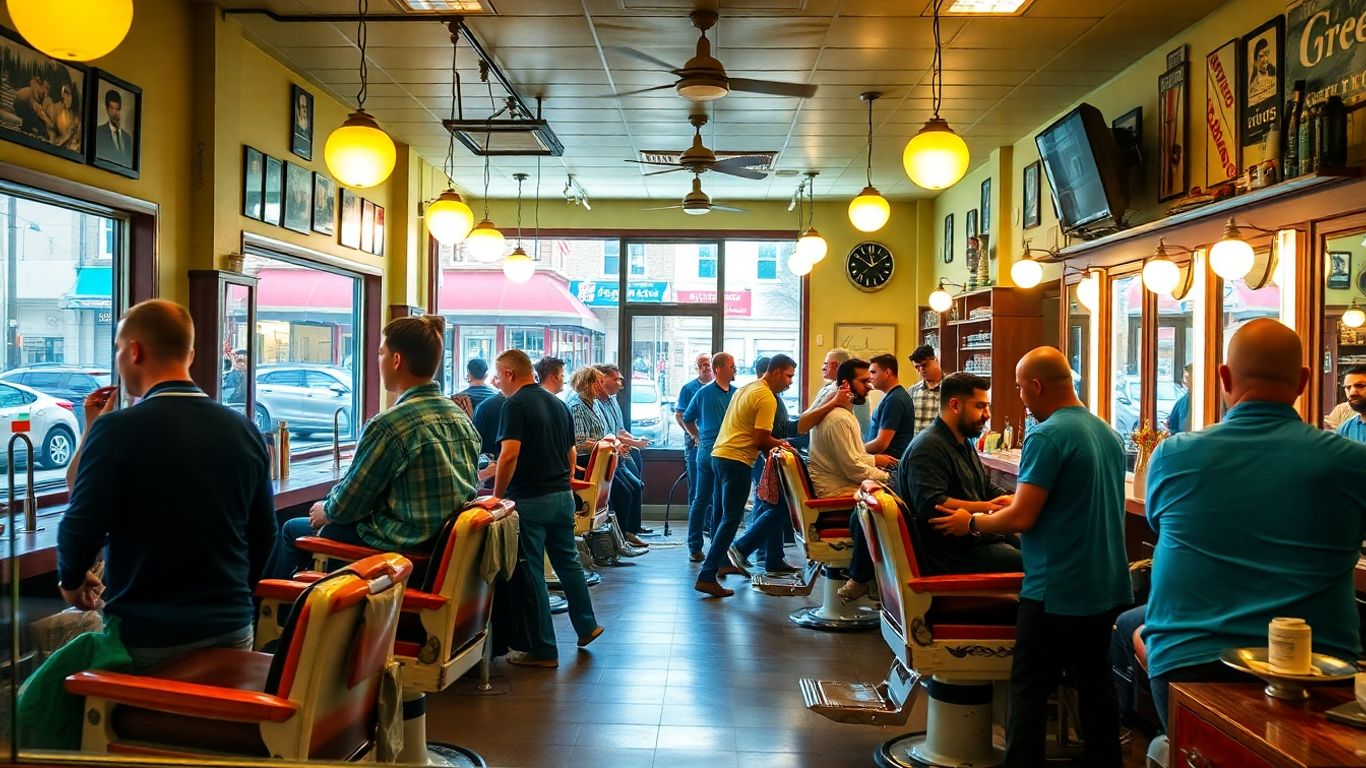
Downtown Salt Lake City has seen big changes in recent years. Gentrification, shifting demographics, and the rise of individualism have all shaped what local barbershops look like and who walks through their doors. Barbershops aren’t just dealing with new neighbors; they’re figuring out how to keep their old sense of community while staying open and relevant.
Responding to Gentrification and Urban Change
- Gentrification can bring new customers, but it also pushes up rent and operating costs.
- Some long-standing shops have been forced out as flashy new businesses move in.
- Barbers adapt by tweaking their services, renovating their space, or even moving to nearby neighborhoods where rents are less intense.
Here's a look at how gentrification affects downtown barbershops:
| Impact | Response |
|---|---|
| Higher rent | Sharing space, raising prices, relocating |
| Changing clientele | Updating services, offering new styles |
| Community tensions | Hosting events, fostering inclusivity |
When old customers see chain salons popping up, they want assurance the shop they’ve always visited isn’t turning into something unrecognizable. A good barber keeps those roots while still welcoming newcomers.
Contending With Individualism Versus Community
Barbershops have always been about community, but today more people look for fast, personal service rather than group gatherings.
- Many clients now want quick, online booking and less waiting.
- The traditional walk-in, hang-out culture is adapting with appointments and shorter conversations.
- Shops are finding ways to keep a sense of warmth in a world that often feels more isolated.
The Future of Tradition in Local Barbershops
Nobody has a crystal ball, but one thing is clear: Salt Lake’s barbershops will keep changing. Traditions mix with new ideas every day. Here's how shop owners are planning for the future:
- Training young barbers in classic techniques while encouraging personal flair.
- Offering specialty services like beard sculpting or scalp treatments.
- Staying active in city events and local causes, which helps keep their place as community anchors.
Some shop owners have even been able to grow thanks to creative funding, like the story of a barbershop started after receiving cash aid (transformative barbershop story).
It’s a balancing act. Respect the old ways, try new things, and always pay attention to the people in the chairs. That’s how these shops plan to stick around, no matter how much the city changes.
Cities are always changing, which can make it tough to keep up. But with some new ideas and a little flexibility, it's possible to turn every challenge into a chance to grow. Want to see how we’re facing these changes and helping our neighbors? Check out our site for more tips and stories.
Conclusion
Wrapping up, downtown Salt Lake City barbershops are more than just places to get a haircut. Sure, you walk in for a trim or a shave, but you end up getting a whole experience. The barbers know their craft, and they care about the details, but what really stands out is the feeling of being part of something local. Even if you’re not best friends with everyone in the shop, there’s a sense of belonging. The banter, the familiar faces, and the little traditions make these shops feel like a piece of the city’s fabric. It’s not always about deep connections or lifelong friendships—sometimes it’s just about having a spot where people recognize you and remember your usual cut. In a city that’s always changing, these barbershops keep a bit of old-school community alive, one haircut at a time.
Frequently Asked Questions
What makes barbershops in downtown Salt Lake City special?
Barbershops in downtown Salt Lake City are unique because they mix old traditions with new styles. They offer more than just haircuts—they are places where people can talk, relax, and feel part of a community.
How do barbershops help build community?
Barbershops often act like gathering spots where people share stories and jokes. Even if everyone doesn’t know each other, the friendly banter and welcoming vibe make people feel connected.
What kind of services do local barbershops provide?
Local barbershops give classic haircuts, beard trims, straight razor shaves, and relaxing extras like hot towel treatments. Some shops focus on natural looks and pay close attention to detail, making every visit feel personal.
Are barbershops only for men?
While many barbershops focus on men’s styles, most welcome anyone who wants a haircut or shave. They try to make everyone feel comfortable, no matter their background or style.
How do barbershops keep up with new trends?
Barbers learn new techniques and styles so they can offer both classic and modern looks. They listen to what clients want and blend old-school skills with today’s trends.
What challenges do barbershops face in a changing city?
Barbershops deal with things like rising rents, changing neighborhoods, and new competition. They work hard to keep their traditions alive while also meeting the needs of a growing and diverse city.


Comments
Post a Comment