Why the Best Haircuts Are All About the Details: Precision, Style, and You
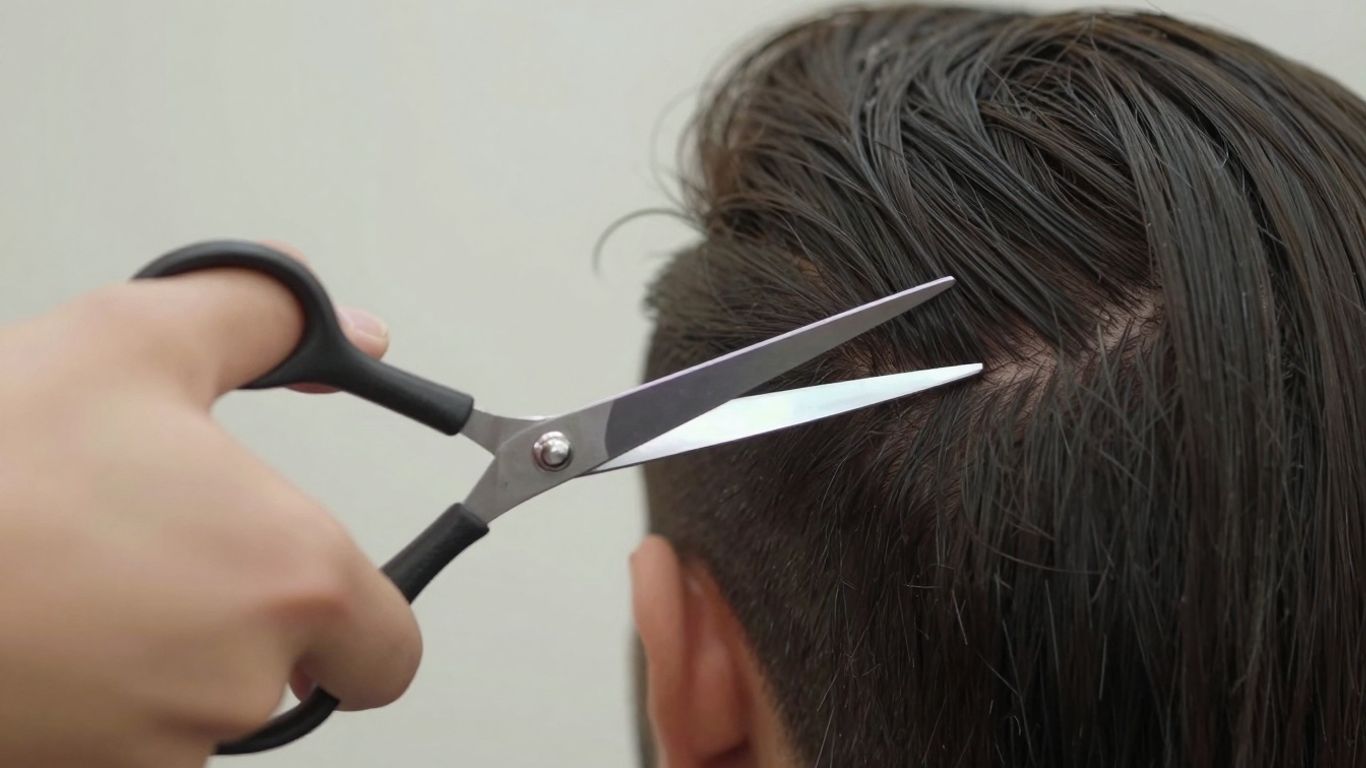
You know, sometimes you get a haircut that just looks... off. It's not bad, exactly, but it doesn't quite feel like *you*. Then there are those haircuts, the ones that make you feel like a million bucks, where every strand seems to be in the right place. What's the secret? It's all in the details. Why the best haircuts are all about the details: precision, style, and you. It’s not just about a quick trim; it's about the careful work that goes into making your hair look its absolute best.
Key Takeaways
- Precision cutting is about meticulous trimming and shaping, creating clean lines and defined layers that suit your hair type and face shape.
- Choosing the right stylist means finding someone experienced in precision cuts, communicating your needs clearly, and checking their past work.
- Different hair types, like straight, curly, fine, or thick, need specific precision techniques to look their best and be manageable.
- Precision cuts offer more than regular haircuts by providing personalized styles, distinct shapes that last, and a look that complements your features.
- Keeping your precision cut looking sharp involves regular trims, smart styling, and using good hair care products.
The Art of Precision Hair Cutting Techniques
Understanding Meticulous Trimming and Shaping
Precision cutting is all about the details, you know? It’s not just hacking away; it’s a careful, deliberate process. Think of it like a sculptor working with marble – every tiny adjustment matters. This means using sharp tools and specific angles to create clean lines and defined shapes. It’s about making sure each section of hair is cut exactly how it needs to be to build the final look. This careful approach helps your haircut grow out better, too, avoiding those awkward stages where it just looks messy.
How Precision Cuts Enhance Hair Style
When a cut is done with precision, the style just works better. It’s like having a perfectly tailored suit versus one off the rack. Precision cuts create a structure for your hair that makes styling easier and makes the style last longer. Whether you want sharp, geometric lines or soft, blended layers, precision is what makes it happen. It’s the difference between a haircut that just sits there and one that actually frames your face and moves with you.
Here’s a quick look at what precision can do:
- Clean Lines: Sharp edges that look intentional and polished.
- Defined Layers: Layers that blend seamlessly or create distinct shapes without looking choppy.
- Balanced Shapes: Ensuring the haircut has symmetry and looks good from every angle.
- Texture Management: Cutting in a way that works with your hair’s natural texture, not against it.
The real magic of a precision cut is how it sets up your hair for success, making it easier to manage and style day-to-day. It’s an investment in how your hair will look and feel, not just right after you leave the salon, but for weeks to come.
The Role of High-Quality Tools in Precision Cutting
Seriously, you can't do precision work without good tools. It’s like trying to paint a masterpiece with a blunt crayon. Stylists who are serious about precision cuts invest in top-notch scissors. These aren't just any scissors; they’re designed for specific tasks, like creating blunt cuts or adding texture. Then there are combs, which help section hair perfectly, and sometimes razors for softer effects. Having the right, well-maintained tools is non-negotiable for achieving those sharp, clean results. Dull blades or the wrong comb can ruin the whole effect, leading to split ends and a cut that just doesn't look right.
Choosing Your Ideal Hair Stylist
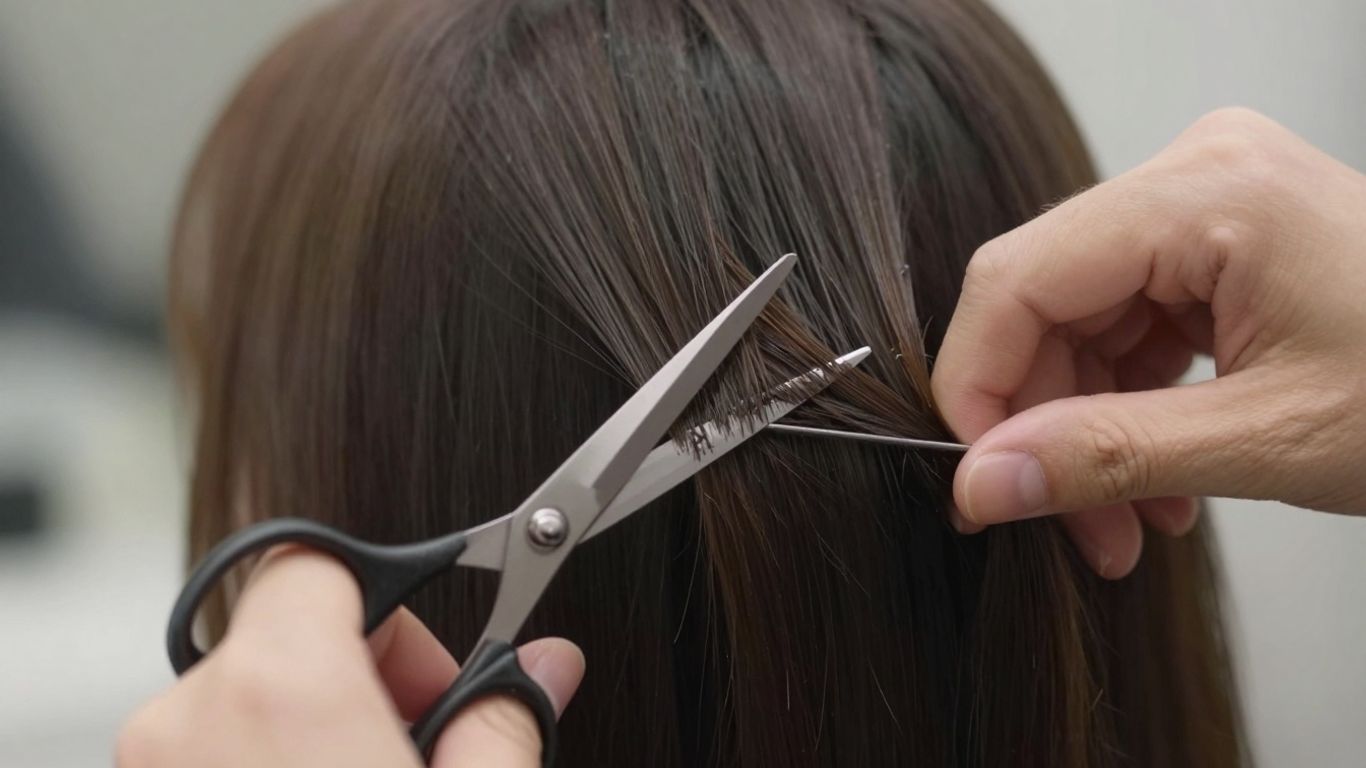
Finding the right person to give you a precision cut is kind of a big deal. It's not just about walking into any salon; it's about finding someone who really gets what a precision cut means. These cuts aren't just a quick trim; they're about sharp lines and shapes that need a steady hand and a good eye. So, how do you find that person?
Seeking Expertise in Precision Cuts
When you're looking for a stylist who excels at precision cutting, you want someone who has put in the time. It's like looking for a skilled carpenter – you want someone who knows their tools and their materials. Ask around, see if friends have recommendations for stylists known for clean, sharp cuts. Don't be afraid to look at salon websites or social media pages to see examples of their work. A stylist who regularly posts pictures of well-defined bobs, sharp pixies, or perfectly blended layers is probably a good bet.
Effective Communication for Desired Results
Once you've found a potential stylist, talking to them is key. You need to be able to explain what you're hoping for, and they need to understand it. Bring pictures if you have them – a visual is worth a thousand words, right? But also, listen to what they say. A good stylist will look at your hair type, your face shape, and your lifestyle, and then tell you if your desired cut is realistic and how it will work for you. They might suggest slight tweaks to make the cut even better or easier to manage.
- Be clear about your expectations: What do you want the cut to look like? How much time do you spend styling your hair daily?
- Listen to their professional opinion: They see hair all day, every day. They know what works.
- Discuss maintenance: Ask how to keep the cut looking its best between appointments.
Evaluating a Stylist's Portfolio
A stylist's portfolio is like their resume for haircuts. It shows you what they're capable of. Look for:
- Variety of styles: Do they do different types of cuts, or just one or two?
- Clean lines and symmetry: Are the lines sharp and even? Does the cut look balanced?
- Hair type diversity: Do their examples show cuts on different hair textures and thicknesses? This shows they can adapt.
A stylist who takes the time to properly section hair and uses precise angles is showing their commitment to the craft. It's these small details that make a big difference in how a cut looks and how it grows out.
Remember, finding the right stylist is an investment in how you look and feel. Don't rush the process!
Tailoring Precision Cuts to Your Hair Type
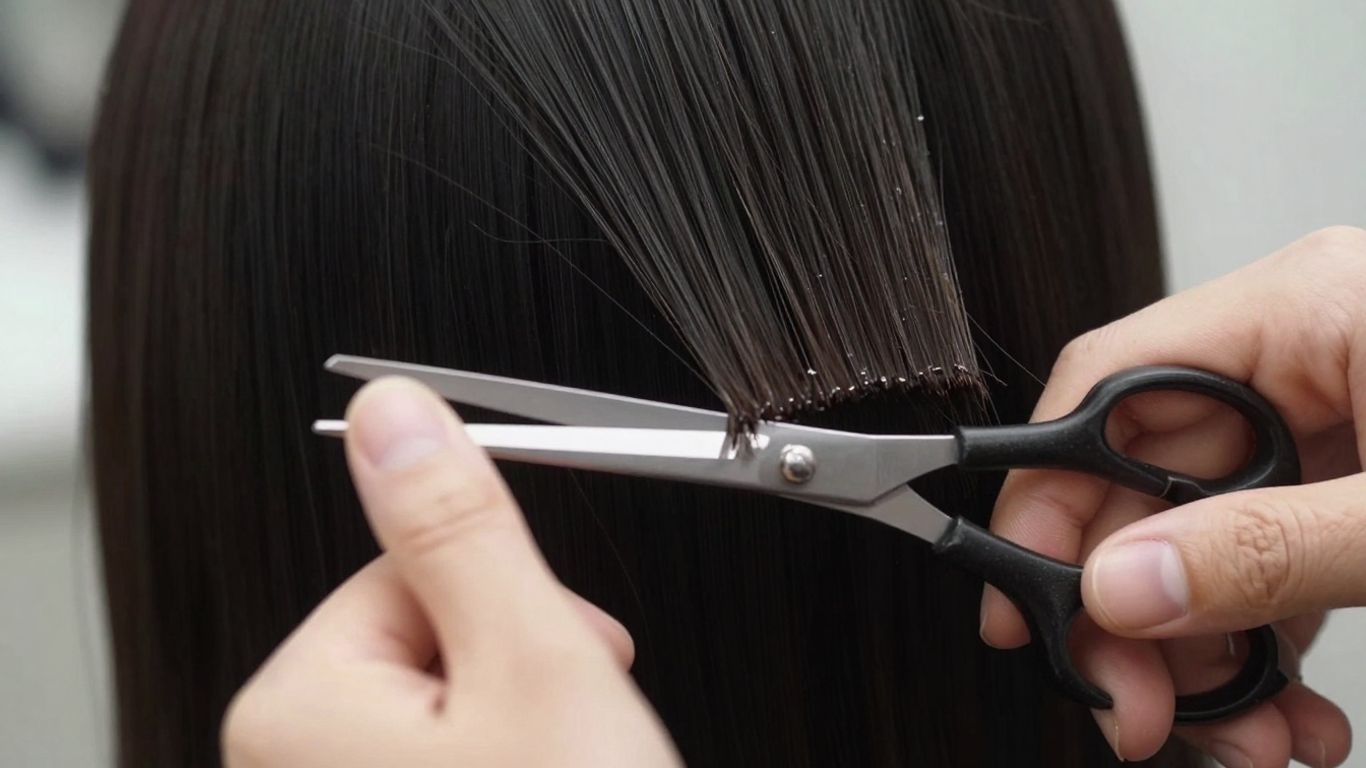
So, you've decided a precision cut is the way to go. Awesome! But here's the thing: not all precision cuts are created equal, especially when you start thinking about your own hair. What looks amazing on someone with super fine, straight hair might be a total mess on someone with thick, curly locks. It's all about matching the technique to what you've actually got growing out of your head.
Enhancing Straight Hair with Clean Lines
If your hair is naturally straight, a precision cut can really make it sing. Think sharp, clean lines that just fall perfectly. This kind of cut gives straight hair a polished, almost architectural look. It’s great for bobs, blunt cuts, or even just keeping the ends looking super neat. The goal here is to create a strong silhouette that looks intentional and chic. It helps prevent that wispy, shapeless look that straight hair can sometimes get, especially as it grows out.
Maximizing Curls with Defined Shapes
Curly hair can be a bit trickier, right? Precision cutting for curls isn't about making them all uniform, though. It's about understanding the curl pattern and using precise techniques to shape it. A good stylist will cut your curls when they're dry, often following their natural direction. This way, they can see how each curl falls and create a shape that works with your texture, not against it. It helps avoid that dreaded triangle shape and gives your curls definition and bounce.
Adding Volume to Fine Hair
Fine hair often struggles with volume. Precision cuts can be a game-changer here. By carefully layering and shaping, a stylist can create the illusion of thickness and body. Think about strategic blunt cuts at the ends to make the hair look fuller, or layers that are cut with precision to give movement without making the hair look thinner. It’s about making your hair look its best, not just cutting it.
Managing Thick Hair for Balanced Styles
Thick hair can sometimes feel heavy or unmanageable. Precision cutting is key to taking that bulk and turning it into a stylish, balanced shape. A stylist can use techniques to remove weight precisely, creating softer lines and a more flattering silhouette. This isn't just about thinning it out randomly; it's about strategic cutting that leaves your hair looking full but controlled, making it easier to style and manage day-to-day.
The real magic of a precision cut lies in its adaptability. It's not a one-size-fits-all approach. A skilled stylist will look at your hair's natural texture, density, and even how it grows, then apply precise techniques to create a style that's uniquely yours and works with your hair's natural tendencies, not against them.
The Advantages of Precision Over Regular Haircuts
So, why bother with all the fuss of a precision cut when a regular trim usually does the trick? Well, it really comes down to the details, and how those details can make a big difference in how your hair looks and feels. A precision cut isn't just about taking length off; it's about crafting a specific shape that works with your hair, not just on it.
Personalized Styles for Unique Textures
Think about it: no two heads of hair are exactly alike. You might have straight hair that's super fine, or maybe it's thick and wavy. Precision cutting takes these unique qualities into account. A stylist using these techniques will look at how your hair falls, how it bends, and how it behaves, then cut it in a way that makes those natural characteristics shine. It's like getting a suit tailored versus buying one off the rack – it just fits better.
- For straight hair: Clean lines can look super sharp and polished, giving it a sleek finish that's hard to achieve otherwise.
- For curly hair: Precision can define those curls, making them look more uniform and less frizzy, while still keeping that natural bounce.
- For fine hair: Strategic cutting can create the illusion of more volume and body, making your hair look fuller.
- For thick hair: It helps to remove weight and create a more balanced shape, so it doesn't feel heavy or unmanageable.
Distinct and Enduring Shapes
Regular haircuts can sometimes feel a bit... temporary. You leave the salon looking good, but after a few weeks, it starts to lose its form. Precision cuts, on the other hand, are designed to hold their shape much longer. The careful angles and deliberate layering mean that as your hair grows, it tends to grow out gracefully, maintaining the overall style for a longer period. This means less fuss between appointments and a consistently put-together look.
The real magic of a precision cut lies in its ability to create a style that looks intentional and well-maintained, even as it grows out. It's about building a foundation that supports the style over time, rather than just a quick fix.
Complementing Facial Features
This is where precision really shines. A skilled stylist can use the lines and angles of your haircut to draw attention to your best features or soften areas you might be less keen on. They're not just cutting hair; they're sculpting it to frame your face. Whether it's adding softness around the jawline, highlighting your cheekbones, or balancing out a strong forehead, the precise placement of every cut makes a difference. It’s a subtle art, but one that can really change how you feel about your overall appearance.
Maintaining Your Precision Cut
So, you’ve got that sharp, perfectly sculpted haircut. Awesome! But here’s the thing: a precision cut, by its very nature, needs a little extra attention to keep looking its best. It’s not like a wash-and-go situation if you want to keep those clean lines and that intentional shape. Think of it like a tailored suit – it looks amazing, but it needs proper care to stay that way.
The Importance of Regular Trims
This is probably the most important part. Because precision cuts are all about sharp angles and defined edges, even a little bit of regrowth can throw off the whole look. You can’t just let it go for months and expect it to stay the same. For most precision cuts, aiming for a trim every 4 to 6 weeks is a good bet. Shorter styles might even need to come in more often, maybe every 3 weeks, to keep things looking super sharp. It’s not about cutting off a lot of length, but more about cleaning up the lines and making sure everything is still sitting right.
- Shorter styles: Every 3-4 weeks
- Medium styles: Every 4-6 weeks
- Longer styles with strong lines: Every 6-8 weeks
Skipping trims means your hair starts to grow out in a way that can soften or even ruin the original shape. It’s better to get small, regular trims than to wait and need a major fix later.
Styling Tips for Longevity
How you style your hair day-to-day makes a difference too. Using the right products is key. You want things that give you hold without making your hair stiff or sticky, which can make those precise lines look messy. A good quality pomade, wax, or even a light-hold hairspray can help keep everything in place. When you’re drying your hair, try to use a brush that helps you control the direction and shape, especially around the hairline and any areas that are meant to be super neat. If you have bangs or a specific fringe, a small round brush can be your best friend for getting that smooth, controlled finish.
Using Quality Hair Care Products
Don’t skimp on your shampoo and conditioner. Using products that are too harsh or not suited for your hair type can lead to dryness, frizz, or a lack of shine, all of which will make your precision cut look less impressive. Look for sulfate-free shampoos if your hair tends to be dry, or volumizing ones if you have finer hair that needs a boost. A good conditioner will keep your hair smooth and manageable, making it easier to style and helping to maintain that polished look between salon visits. If you use heat styling tools, a heat protectant spray is non-negotiable – it’s a small step that can prevent a lot of damage and keep your hair looking healthy and strong.
Mastering the Details of Hair Design
So, we've talked a lot about precision cutting, right? It's all about those clean lines and perfect shapes. But what happens when you want to go a step further, to really make a haircut sing? That's where hair design comes in. It's not just about cutting hair; it's about sculpting it, thinking about how it moves, how it frames a face, and how it all comes together as a complete look. It’s like the difference between a perfectly tailored suit and a suit that’s also been designed with unique lapels and stitching – both are well-made, but one has that extra flair.
Understanding Hair Design vs. Precision Hair Design
Think of precision hair design as the foundation. It’s about getting those exact angles, those perfectly straight lines, or those evenly distributed layers. It’s the technical side that ensures the haircut is structurally sound and balanced. Hair design, on the other hand, takes that precision and adds an artistic layer. It’s about considering the overall aesthetic, the client's lifestyle, and how the hair will interact with their features and personal style. It’s less about just cutting hair and more about creating a wearable piece of art that suits the individual.
When to Choose Creative Hair Design
Creative hair design is fantastic when you're looking for something that really stands out. It's perfect for clients who want a signature look, something that expresses their personality. This could mean playing with:
- Asymmetrical cuts: One side longer or styled differently than the other.
- Textured layers: Creating movement and softness, not just blunt ends.
- Unique parting: Shifting the usual center or side part for a fresh look.
- Color integration: Designing the cut so that color placement works with the shape.
It’s about pushing boundaries a little, but always with the client's hair type and face shape in mind. It’s not just about being different; it’s about being intentionally different in a way that looks amazing.
Why Long Precision Haircuts Are Trending
Long hair has always been popular, but lately, there's been a big push towards making those longer styles look more intentional and polished. Instead of just letting long hair hang, stylists are focusing on precision cuts that give it shape and movement. This means:
- Face-framing layers: Carefully cut layers that highlight cheekbones and jawlines.
- Blunt ends with subtle texturizing: Keeping the length but adding a bit of life so it doesn't look heavy.
- Strategic internal layers: Adding volume and shape without sacrificing overall length.
These long precision haircuts are trending because they offer the best of both worlds: the versatility and beauty of long hair, combined with the structure and style that a well-executed cut provides. It’s a look that feels both classic and modern, and it’s surprisingly adaptable to different hair textures and styles. It’s proof that even with longer hair, the details really do make all the difference.
Want to know the secrets behind amazing hairstyles? We dive deep into the art of hair design, exploring every little detail that makes a look truly stand out. From the perfect cut to the finishing touches, we break it all down. Ready to transform your hair game? Visit our website for more tips and inspiration!
It's All About the Details
So, we've talked a lot about how the little things really make a big difference when it comes to haircuts. It's not just about hacking off length; it's about the careful cuts, the right tools, and knowing how your hair works. Finding a stylist who gets this, someone who pays attention to all those details, is key. They’re the ones who can give you a style that not only looks great when you leave the salon but keeps looking good as it grows out. Because honestly, who doesn't want a haircut that just works for them, day after day? It’s about feeling good in your own skin, and sometimes, a really good, detailed haircut is the perfect way to get there.
Frequently Asked Questions
What makes a haircut a 'precision' cut?
A precision cut is like a super-accurate haircut. Instead of just a quick trim, the stylist carefully cuts every piece of hair to make sure it falls exactly where it should. It's all about sharp lines and a really neat shape that looks great even as your hair grows.
Why are precision cuts better than regular haircuts?
Precision cuts are special because they're made just for you. They follow your hair's natural flow and your face shape to look amazing. Plus, they tend to keep their shape longer and look more polished, unlike a regular cut that might get messy faster.
Do I need special tools for a precision cut?
Your stylist uses really sharp scissors and combs that are great for detailed work. It's more about how the stylist uses these tools with special cutting methods, like carefully sectioning your hair, to get that exact look.
Can a precision cut work for my hair type?
Absolutely! Whether your hair is straight, curly, fine, or thick, precision cutting can make it look its best. It can add volume to thin hair, control thick hair, make curls pop, or give straight hair super clean lines.
How often should I get a precision cut touched up?
To keep your precision cut looking sharp, it's best to go back for a trim every 6 to 8 weeks. This helps maintain the shape and keeps any split ends from messing up the style.
How can I tell if a stylist is good at precision cuts?
Look for stylists who talk a lot about techniques and show examples of their precise work. Ask them about their experience with the kind of cut you want. Good communication is key – make sure they understand what you're looking for and give you their expert advice.


Comments
Post a Comment