Mastering Your Look: How to Keep Your Hair Looking Sharp Between Barber Visits
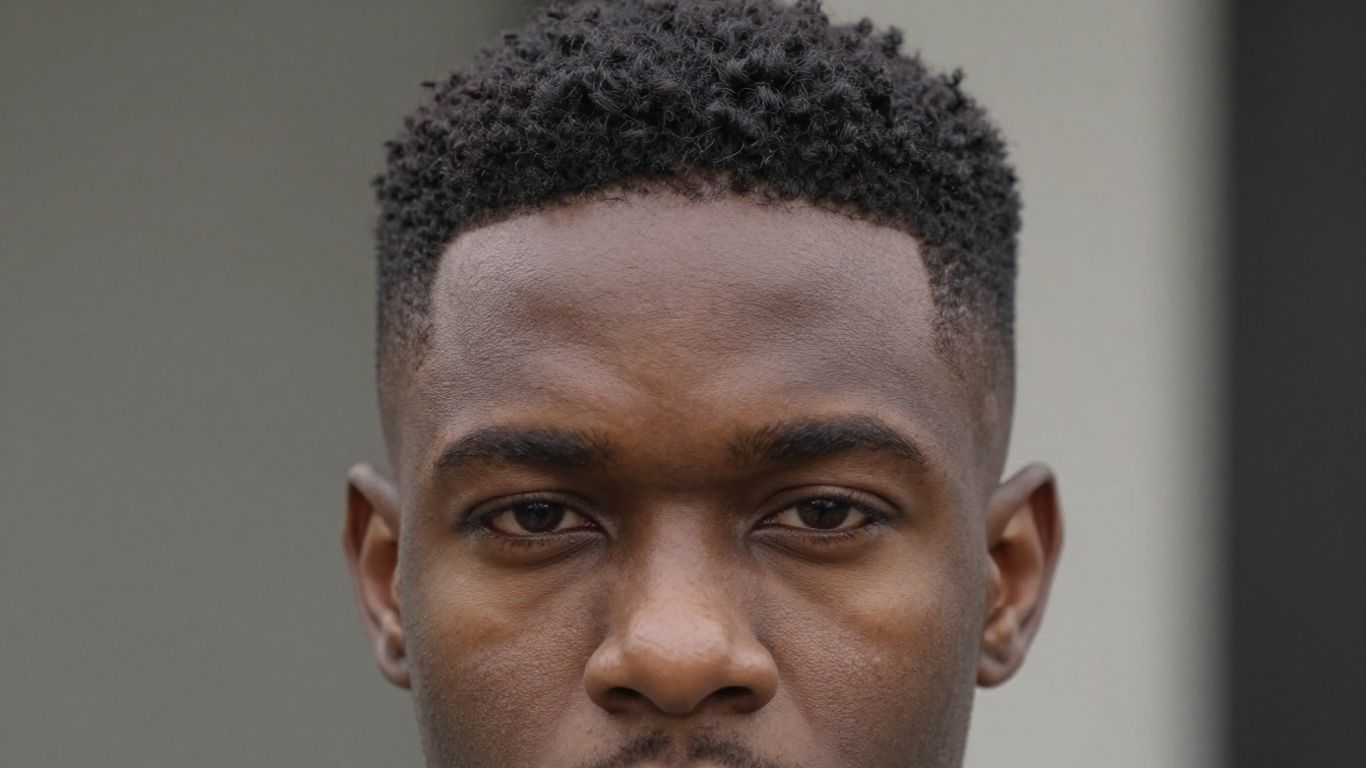
Keeping your hair looking good between barber appointments can feel like a challenge, right? You leave the shop feeling great, but then life happens. Stray hairs pop up, styles get a little messy, and suddenly you’re not quite rocking that fresh cut anymore. This article is all about making that polished look last. We’ll cover the tools, tricks, and habits that help you maintain your style, so you can feel confident and sharp until your next visit. It’s about mastering your look, day in and day out.
Key Takeaways
- Having the right tools, like good scissors and quality hair products, makes at-home upkeep much easier.
- Learning simple styling methods, such as proper blow-drying and product application, helps maintain your look.
- Paying attention to edges, like your neckline and sideburns, makes a big difference in keeping your style sharp.
- Regular washing, conditioning, and occasional trims help extend the life of your haircut between barber visits.
- Establishing a consistent daily grooming routine is the best way to ensure you always look put-together.
Essential Tools for At-Home Hair Maintenance
Invest in Quality Grooming Tools
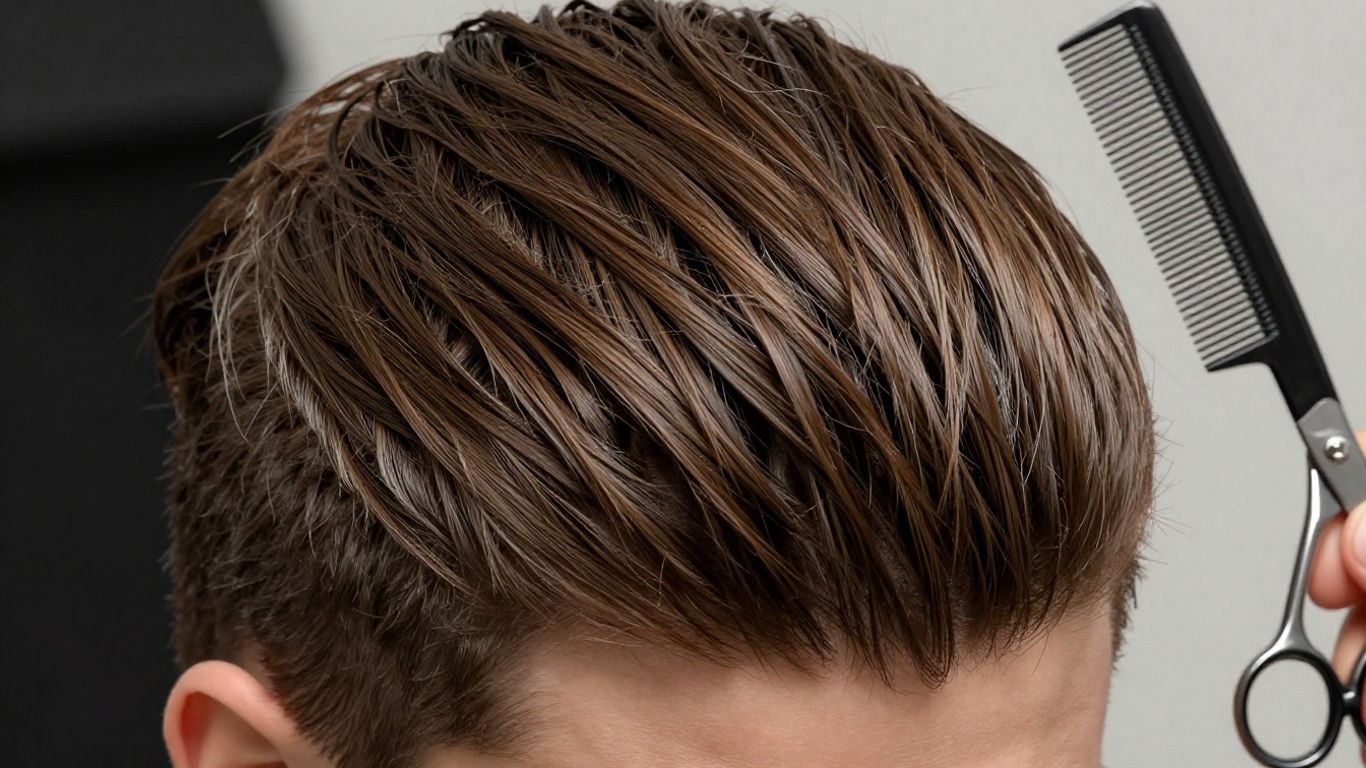
Keeping your hair looking good between barber appointments isn't about magic; it's about having the right gear. Think of it like a chef needing good knives. For your hair, a solid comb or a decent brush is your first line of defense. It helps untangle knots and sets the stage for whatever style you're going for. Then, you'll want something to trim those little strays that seem to appear out of nowhere. A good pair of hair scissors or a quality trimmer can make a big difference. Don't underestimate a hair dryer either; it's not just for drying, but for adding volume or helping your style hold its shape. Having these basic tools means you're ready for minor adjustments anytime.
Choosing the Right Hair Products
Products are where things can get a little tricky, but they're super important. You've got everything from pomades and waxes to gels and clays. The key is to pick something that works with your hair type and the style you want. If you have fine hair, you probably don't want a heavy wax that'll just make it look greasy. On the flip side, if your hair is thick and unruly, a lighter gel might not do much. It's often a process of trial and error, but asking your barber for a recommendation is a smart move. They see your hair all the time and know what works.
Here's a quick rundown:
- Pomade: Offers a medium to high shine and hold. Good for classic, slicked-back looks.
- Wax: Provides texture and hold, usually with a matte finish. Great for messy or textured styles.
- Clay: Similar to wax but often drier, offering strong hold with a natural look. Works well for thicker hair.
- Gel: Delivers strong hold and shine, but can sometimes make hair stiff if overused.
- Mousse: Adds volume and light hold, especially good for finer hair or curly styles.
The goal with products is to add control and definition without making your hair feel stiff, sticky, or look unnaturally shiny. Start with a small amount – you can always add more.
Understanding Your Hair Type
This might sound obvious, but really knowing your hair type is half the battle. Is it fine, thick, straight, wavy, curly, or a mix? Does it get oily quickly, or is it on the drier side? Answering these questions helps you pick the right tools and products. For example, someone with fine, straight hair might need volumizing products and a gentle brush, while someone with thick, curly hair might need a moisturizing conditioner and a wide-tooth comb to avoid frizz. Paying attention to how your hair behaves day-to-day will guide you toward the best maintenance strategy.
Mastering Styling Techniques for a Polished Look

Effective Blow-Drying Methods
Getting your hair to cooperate after a wash is half the battle. Blow-drying isn't just about getting your hair dry; it's about setting the stage for your style. For a smoother finish, point the dryer nozzle downwards, following the direction of your hair's growth. This helps to flatten the cuticle, reducing frizz and adding shine. If you're aiming for volume, especially at the roots, try flipping your head upside down while you dry, or use a round brush to lift the hair as you go. The key is to get your hair about 80% dry before you start really styling it. This prevents heat damage and makes your hair more pliable.
Proper Brushing and Combing Techniques
Think about your hair like a delicate fabric; you wouldn't just yank at it, right? When your hair is wet, it's more prone to breakage. So, start detangling from the ends and work your way up towards the roots. For thicker or curlier hair, a wide-tooth comb is usually your best bet. Finer hair might do better with a brush that has softer bristles. Always brush or comb in the direction you want your hair to lay. This simple step helps to shape your hair and maintain the lines of your haircut, making it look neat and intentional.
Strategic Product Application
This is where many people go wrong. Using too much product can make your hair look greasy or stiff, while too little won't give you the hold you need. The trick is to start with a small amount – think pea-sized for most products – and warm it up between your palms. This helps to distribute it evenly. Then, work it through your hair, focusing on the areas where you need control or texture. For a cleaner, more polished look, apply product from the mid-lengths to the ends. If you want volume at the roots, gently work a bit of product in there. Don't be afraid to experiment to find what works for your specific hair type and style.
The right styling products can make a huge difference in how long your haircut looks fresh. A good pomade can give you that slicked-back look, while a texturizing powder can add some grit and volume to shorter styles. It’s all about finding the right tool for the job and learning how to use it without making your hair look like a helmet.
Here's a quick guide to common products:
- Pomade: Great for hold and shine, perfect for slicked-back or side-part styles.
- Wax: Offers a stronger hold than pomade but with a more matte finish, good for textured or messy looks.
- Clay: Similar to wax but often provides more grip and a natural, non-shiny finish.
- Mousse: Adds volume and hold, especially good for finer hair or creating fuller styles.
- Texturizing Powder: A little goes a long way to add volume and grit at the roots without weighing hair down.
Maintaining Sharpness Around the Edges
Even with a great haircut, the edges can start to look a bit rough if you don't pay attention. Think of your neckline and sideburns like the frame on a picture – if the frame is messy, the whole picture looks off. Keeping these areas tidy makes a huge difference in how sharp your hair looks between barber visits.
Neckline and Sideburn Neatness
Your neckline is that line at the back of your neck where your hair stops. When it starts to get fuzzy, it can make your whole haircut look like it's past its prime, even if the top is still looking good. The same goes for sideburns. They can get uneven or just too bushy, messing up the clean lines of your style. The goal here is to keep those lines looking crisp and intentional.
Here’s what to watch out for:
- A neckline that creeps too far up your neck.
- Sideburns that become uneven or too wide.
- Hair growing over your ears or breaking the clean shape of your cut.
To fix this at home, you'll want a good quality trimmer. For the neckline, try to follow the natural curve. If you can't see the back well, use a hand mirror and a larger mirror to get it right. For sideburns, keep them symmetrical and in line with your beard if you have one, or just keep them neat and squared off if you're clean-shaven.
Keeping Fades Crisp Between Visits
Fades are awesome, but they can also be tricky to maintain. That smooth transition from short to longer hair can start to look a bit blurry as it grows out. While a barber's touch is hard to beat, you can do a few things to keep that fade looking sharp for longer.
- Regular Washing: Clean hair shows off the blend of a fade much better. Make sure to wash and condition your hair regularly to keep it looking its best.
- Trimmer Touch-ups: You can use a precision trimmer with a guard to gently go over the shortest parts of your fade. Be careful not to go too high – just enough to clean up the edges and maintain that smooth gradient.
- Product for Texture: Sometimes, a little product can help redefine the lines of your fade, especially if you have wavy or curly hair. A light pomade or wax can add definition.
Maintaining your fade at home is about subtle adjustments, not major changes. It's about cleaning up the edges and making sure the transition still looks smooth. Think of it as a quick tune-up to keep things looking good until your next appointment.
Quick Home Touch-Ups
Sometimes, all you need is a quick fix to keep things looking sharp. These little touch-ups can make a big difference and help you stretch the time between barber visits.
- Neckline Cleanup: Every 5-7 days, use a trimmer or a razor to clean up your neckline. This is probably the single most impactful thing you can do.
- Sideburn Alignment: Make sure your sideburns are even and at the desired length. If you have a beard, ensure they line up nicely.
- Around the Ears: Tidy up any stray hairs that grow around your ears and temples. This is especially important if you have a shorter style or a fade.
Asking your barber to show you how to maintain your neckline and sideburns during your next visit is a great idea. They can give you pointers and show you the best way to keep those edges looking clean. A few minutes of attention can really extend the life of your haircut and keep you looking put-together.
Extending the Life of Your Haircut
So, you've got that fresh cut from the barber, and it looks amazing. The trick is keeping it that way without constantly running back for touch-ups. It’s totally doable with a little know-how and some consistent effort. Think of it as giving your haircut a little TLC between its professional spa days.
Regular Washing and Conditioning
How often you wash your hair really matters. Washing too much can strip natural oils, making your hair dry and harder to style. Washing too little can lead to buildup, weighing your hair down and making it look flat. Finding that sweet spot is key. For most guys, washing every other day or even every third day works well, depending on your hair type and how active you are. Always follow up with a conditioner, especially on the ends, to keep things smooth and manageable. This simple step helps maintain the shape and texture of your cut.
Experimenting with New Styles
Don't feel like you're stuck with just one look after leaving the barber. Your haircut has versatility! Try changing up your part – a simple shift can make a big difference. You can also play with different ways to style your fringe or add some texture with a matte paste. Experimenting with styling can hide minor growth or unevenness, making your cut look intentional for longer. It’s a great way to keep things interesting and extend the time between visits. Check out some online tutorials for inspiration; you might discover a new favorite way to wear your hair.
The Role of Maintenance Trims
While the goal is to go longer between barber visits, sometimes a little trim is exactly what you need. These aren't full haircuts, but rather quick clean-ups. Think about tidying up the neckline and sideburns. Keeping these areas sharp makes a huge difference in how put-together you look. You can even learn to do some basic trimming yourself, or schedule a quick appointment just for these details. It’s a smart way to maintain the overall shape and sharpness of your style, preventing it from looking messy as it grows out. A well-maintained neckline can really keep your look sharp.
Sometimes, the best way to make a haircut last is to embrace its growth. Instead of fighting it, learn to work with it. This might mean using slightly different products or styling techniques as your hair gets longer. It’s all about adapting and making the most of your current style.
Building a Consistent Grooming Routine
Establishing Daily Habits
Look, keeping your hair looking good between barber visits isn't just about the big haircut day. It's about the small things you do every single day. Think of it like this: you wouldn't just eat healthy one day a month and expect to feel great, right? Same idea with your hair. You need to build some simple habits that become second nature. This means getting comfortable with your tools and products, and knowing what your hair needs on a day-to-day basis. It’s not about spending hours in front of the mirror; it’s about a few minutes here and there that make a big difference.
The Benefits of Consistency
When you stick to a routine, even a simple one, you start to see real results. Your hair looks better for longer, which means you can actually go a bit longer between those expensive barber appointments. Plus, when you're consistently looking sharp, it just makes you feel more put-together. It’s like having a secret weapon that boosts your confidence without you even trying. You project a sense of control and discipline, and honestly, that’s a good look for anyone, no matter what you do.
Here’s a quick rundown of what a consistent routine can do:
- Extended Freshness: Your haircut stays looking sharp for weeks, not just days.
- Cost Savings: Fewer trips to the barber mean more money in your pocket.
- Boosted Confidence: Looking good naturally makes you feel good.
- Time Efficiency: Small daily tasks take less time than a full overhaul later.
The real mark of a polished professional isn't just how good you look after a fresh cut—it’s how well you maintain it when life gets hectic. Small details speak volumes.
When to Seek Professional Help
Now, I'm all for DIY hair maintenance, but let's be real. There are times when you just need to hand it over to the pros. If you're trying to tackle a complex fade and it's looking more like a patchy mess, or if you've accidentally gone a bit too wild with the clippers on your neckline, it's probably time to book an appointment. Don't try to fix a major screw-up yourself; you'll likely just make it worse. Also, if you're looking to try a completely new style that requires precision or a specific technique, a barber is your best bet. They have the skills and the tools to get it right the first time, saving you a lot of potential frustration.
Creating a regular grooming habit doesn't have to be complicated. Start with the basics: washing your face, moisturizing, and maybe a quick trim. Consistency is key to seeing great results. Ready to level up your look? Visit our website for personalized tips and product recommendations!
Keep That Fresh Look Going
So, there you have it. Keeping your hair looking sharp between barber visits isn't some big mystery. It's really about picking up a few simple habits and maybe grabbing a couple of the right tools. You don't need to be a pro stylist, just someone who pays a little attention to the details. A quick comb, a little product, maybe tidying up the edges now and then – these small things add up. Remember, your hair is part of how you present yourself, and with these tips, you can feel confident and put-together until your next appointment. It’s all about feeling good in your own skin, and a sharp haircut definitely helps with that.
Frequently Asked Questions
What are the most important tools to have for hair upkeep at home?
To keep your hair looking good between barber visits, you'll need a few key things. A good comb or brush is essential for styling and getting rid of tangles. You should also have a decent pair of scissors or a trimmer for any stray hairs. A hair dryer can help add volume or set your style. Lastly, don't forget hair products like pomade or gel to finish your look and keep everything in place.
How often should I wash my hair to keep it looking its best?
Washing your hair too much can dry it out, but not washing it enough can make it look greasy. For most people, washing and conditioning your hair about two to three times a week is a good balance. This keeps your hair clean and healthy without stripping away its natural oils.
What's the best way to keep my neckline and sideburns looking neat?
Keeping your neckline and sideburns tidy is super important for a sharp look. You don't need to be a barber to do this! Just use your trimmer on a low setting and carefully clean up the edges around your neck and sideburns. This makes a big difference in how put-together your haircut looks.
How can I make my haircut last longer between appointments?
To make your haircut last, focus on maintaining its shape and keeping the edges clean. Regular, gentle washing and conditioning help. You can also try styling your hair in slightly different ways to refresh your look. Small touch-ups on your neckline and sideburns also help a lot.
Is it okay to try new hairstyles myself at home?
Absolutely! Experimenting with your style at home is a great way to keep things interesting. You can try changing your part, styling your bangs differently, or using products to create new textures. Just remember to be gentle and have fun with it. If you're unsure, ask your barber for ideas.
When should I really go back to the barber, even if my hair doesn't look that bad?
Even if your hair still looks decent, it's good to go back to the barber for a maintenance trim every 4-6 weeks, especially if you have a short haircut or a fade. This helps keep the shape perfect and prevents split ends from ruining your style. It's better to get a small trim regularly than wait too long and need a big cut.


Comments
Post a Comment